
What Is a Construction Loan? How It Works, Lender Types, and Requirements
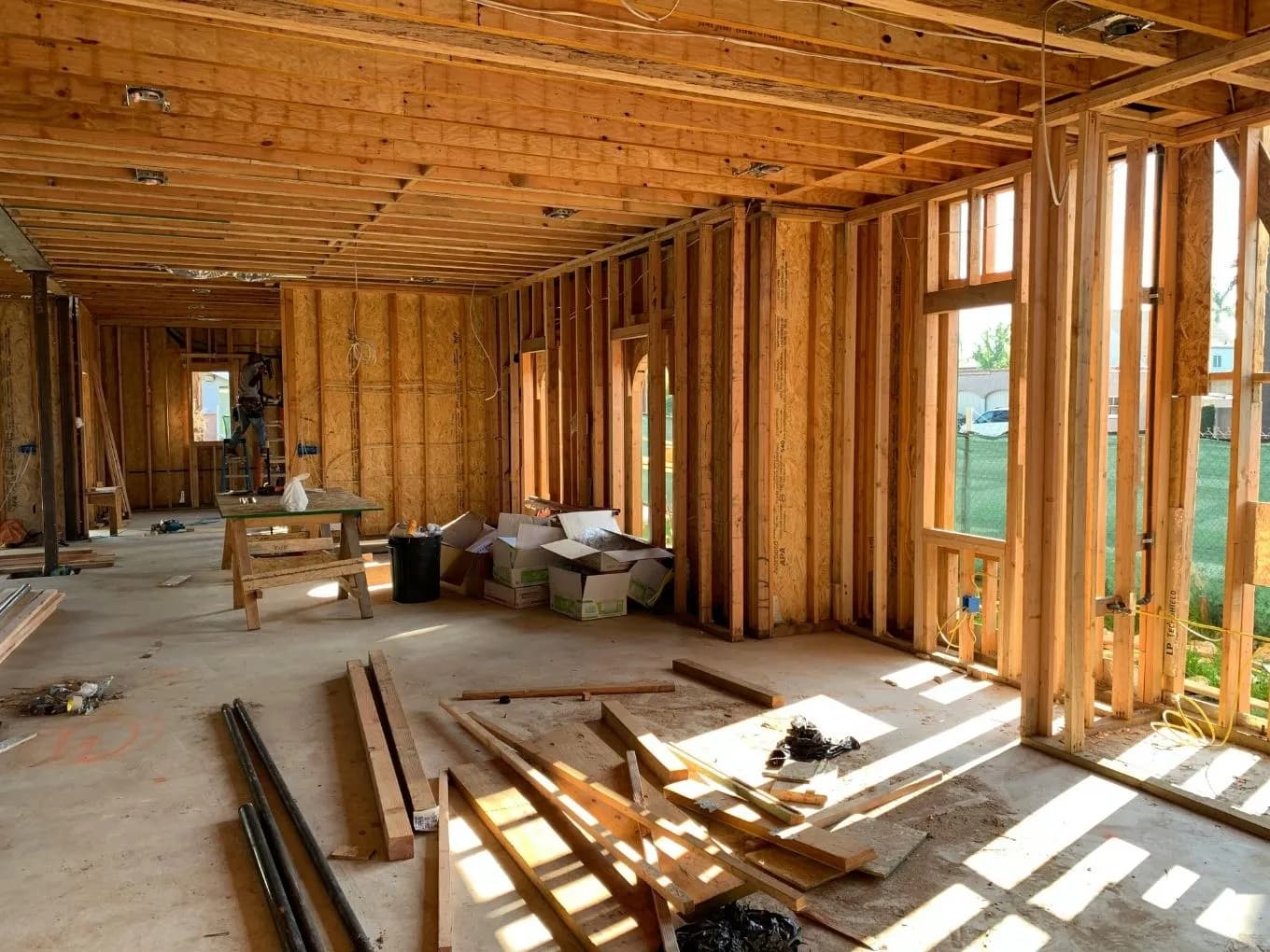
Construction loans work differently from a standard mortgage, and the lender you choose can affect everything from how quickly funds are released to whether the loan fits an investment property project at all. Here's what a construction loan is, how the major types of construction loan lenders differ, and what it typically takes to qualify.
What Is a Construction Loan?
A construction loan is a short-term loan that finances the cost of building a property, from the ground up or through a major renovation, rather than purchasing an existing, finished home. Unlike a traditional mortgage, which disburses the full loan amount at closing, a construction loan releases funds in stages as the project progresses.
Construction loan terms typically run 12 to 24 months, covering the build period, after which the loan is either converted to permanent financing or paid off through a refinance once the property is complete.
How Construction Loans Work
Draws. Construction loans are disbursed in installments called draws, tied to project milestones such as site work, foundation, framing, and finishing. Each draw is typically released after an inspection confirms the corresponding stage of work is complete.
Interest-only payments during construction. Because funds are released incrementally, borrowers generally pay interest only on the amount actually drawn, not the full loan commitment. According to Rocket Mortgage, if a borrower has a $600,000 construction loan but has only drawn $200,000 so far, interest is calculated on the $200,000 already disbursed, not the full loan amount.
Conversion to permanent financing. Once construction is complete, the loan either converts into a permanent mortgage or is paid off through a separate refinance. For investment properties, this final step is often a transition into long-term rental financing, such as a DSCR loan, once the property is built and ready to lease.
Types of Construction Loan Lenders
Not all construction loan lenders serve the same type of borrower or project. Broadly, they fall into a few categories:
Banks and credit unions. Traditional banks offer construction loans, often as part of a construction-to-permanent product for owner-occupied homes. These loans generally require full income documentation, strong credit, and can involve a longer approval and draw process, since underwriting mirrors conventional mortgage standards.
Government-backed programs. FHA, VA, and USDA construction loan options exist for eligible owner-occupants, generally with lower down payment requirements, but these programs are not typically available for investment properties. Per Credible, FHA construction loans can require a down payment as low as 3.5%, while VA construction loans may not require a down payment at all for eligible veterans, though both are limited to owner-occupied homes.
Private and investor-focused construction lenders. For real estate investors building rental properties, build-to-rent projects, or small multifamily developments, private lenders that specialize in investment property financing are often a better fit. These lenders typically underwrite around the project and the property's projected value or rental income rather than personal income documentation, and they're generally built for faster draw turnaround, which matters when construction delays are costly.
Dominion Financial's ground-up construction loans, for example, are designed specifically for investment properties, including single-family homes, small multifamily buildings, and mixed-use projects, with draw schedules built to keep crews moving.
Construction Loan Requirements
While specifics vary by lender, most construction loans share a similar underwriting framework:
Credit score: Many lenders look for a minimum credit score in the 680 to 700 range, though requirements vary by loan type and lender.
Down payment or equity: Construction loans generally require a meaningful down payment or land equity contribution, often 20% or more, though this can vary based on credit profile, project scope, and whether the loan is for an owner-occupied build or an investment property.
Detailed project plans: Lenders typically require permitted construction plans, a full project budget, and a signed contract with a licensed, qualified builder before approving a loan.
Builder or investor experience: Lenders often evaluate the track record of the builder or investor managing the project, since an inexperienced team on a complex build adds risk. Per Rocket Mortgage, lenders typically evaluate credit score, builder experience, and overall project feasibility together when determining terms.
Entitled, zoned land: For ground-up projects, the land itself generally needs proper zoning, entitlements, and approved permits before a lender will finance construction.
Construction Loans for Real Estate Investors vs. Owner-Occupied Builds
Construction loans for real estate investors differ from those built for someone constructing their own home. Investor-focused construction loans are typically underwritten around the deal and the property's projected value or rental income, allow closing in an LLC's name, and are designed to fund single-family rentals, build-to-rent communities, and small multifamily projects rather than a single custom home. Owner-occupied construction loans, by contrast, are usually underwritten like a standard mortgage, relying on the borrower's personal income and credit profile.
If you're planning a build-to-rent project specifically, Dominion Financial's build-to-rent guide covers how investors structure financing across the acquisition, construction, and stabilization phases.
How to Choose the Right Construction Loan Lender
A few questions help narrow down the right fit:
Does the lender specialize in investment property construction, or primarily owner-occupied builds? The underwriting approach and draw process can differ significantly.
How fast are draws typically processed? Slow draw turnaround can stall a project and add carrying costs.
Can the loan close in an LLC or entity name, and does it support the property type you're building (single-family, small multifamily, mixed-use)?
What's the plan for permanent financing once construction is complete? A lender with a clear path from construction financing into a long-term rental loan can simplify the transition.
Our guide on getting fast construction loan draws covers what to expect during the build phase itself.
The Bottom Line
A construction loan funds a building project in stages rather than a lump sum, with interest charged only on funds disbursed until the project converts to permanent financing. The right lender depends heavily on the type of project: traditional banks and government-backed programs generally serve owner-occupied builds, while private, investor-focused lenders are built for ground-up rental and build-to-rent projects. Meeting typical requirements, solid credit, a meaningful down payment, a detailed and permitted plan, and an experienced builder, puts you in a strong position to secure financing and keep the project on schedule.
If you're planning a ground-up construction project for a rental property, Dominion Financial's construction loan programs are built for investors, with draw schedules designed to keep your project moving.
Frequently Asked Questions
What is a construction loan?
What types of lenders offer construction loans?
What credit score do I need for a construction loan?
How much down payment is required for a construction loan?
Can I get a construction loan for a rental property?
Related Posts
View all Construction Loan →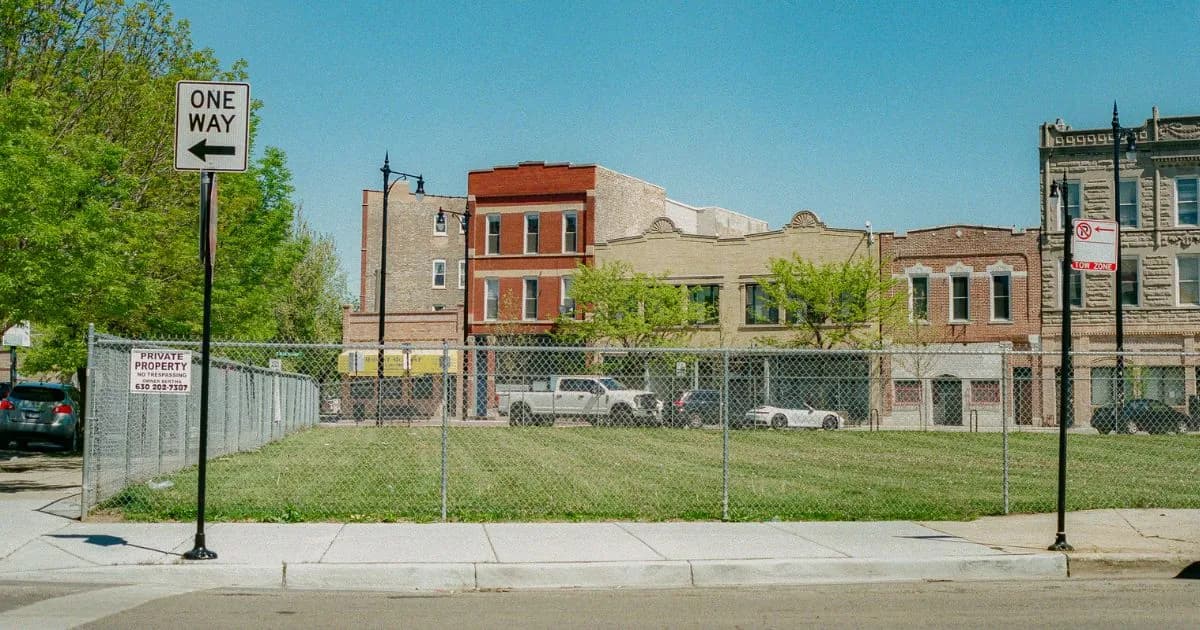
How PUD Zoning Reform Is Creating New Small Multifamily Opportunities
Cities across the country are rewriting zoning rules to allow duplexes, triplexes, and fourplexes on lots that were previously restricted to single-family homes, often through planned unit development ordinances with dramatically lower minimum parcel requirements than in the past. Jurisdictions from British Columbia to Washington State have passed reforms in recent years that reduce minimum lot sizes, remove unit caps, and eliminate parking minimums near transit. For real estate investors, this shift is opening up infill lots that never made economic sense under old zoning rules. This piece covers what a PUD is, what's changing, and how to identify cities making this shift before it becomes common knowledge.
September 15, 2026
Understanding The Ground-Up Construction Process
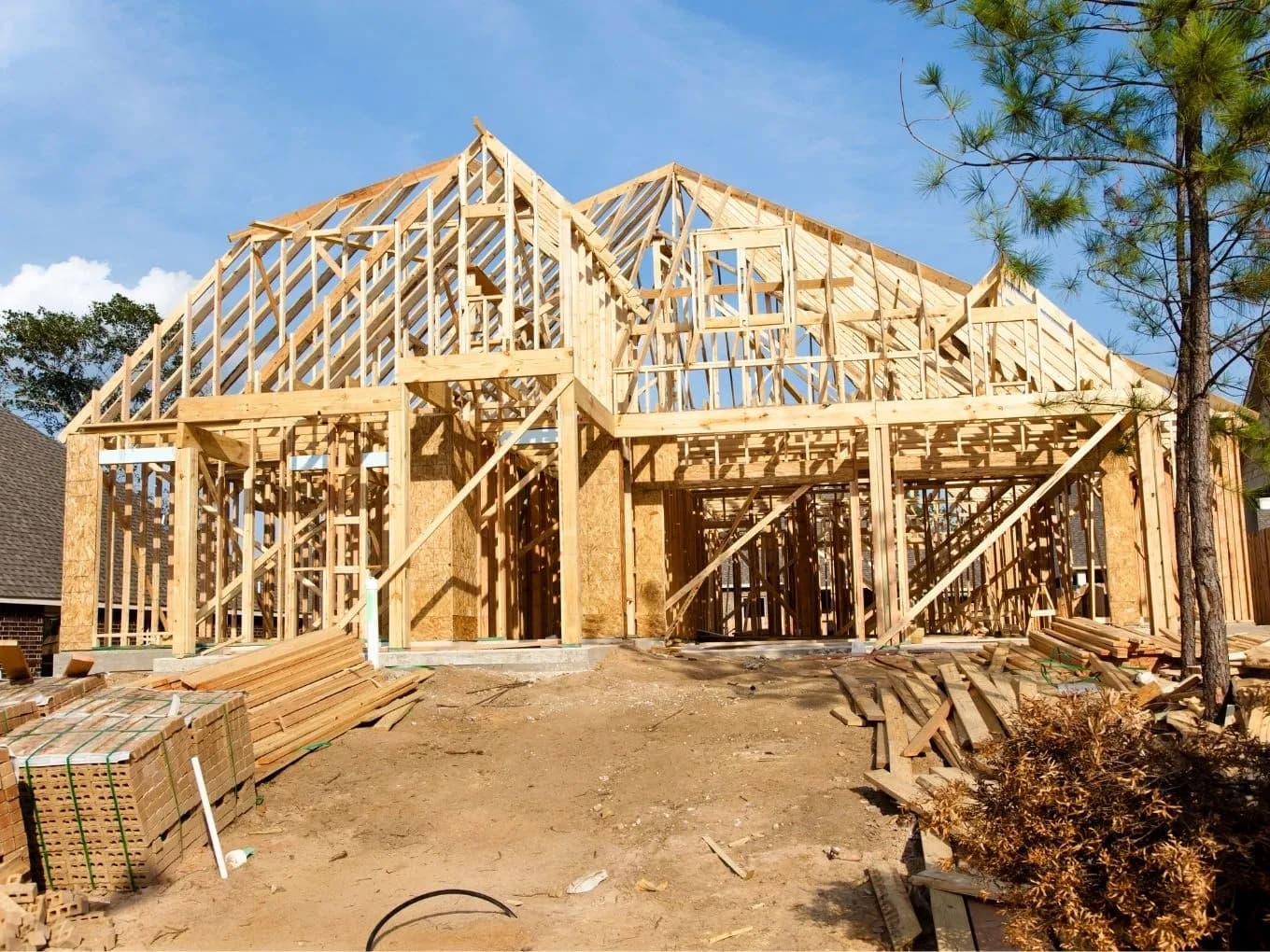
Ground-up construction moves through five distinct phases, and each one gets financed differently. This guide walks through underwriting, land acquisition, horizontal development, and vertical construction step by step, showing exactly how Dominion Financial's loan to cost limits and draw schedule fund a project from raw land to payoff.
August 6, 2026
Construction Loan Requirements: What You Need for a Ground-Up Build
Ground-up construction loan requirements include real estate and construction experience, land ownership or a land acquisition plan, approved architectural plans and permits, a detailed budget with contractor bids, a credit score of 650 or higher, a down payment of 10% to 25% of total project cost, cash reserves, and a clear exit strategy (sale or refinance). Funds are disbursed through a draw schedule tied to completed construction milestones, with inspections required before each draw is released. Most ground-up construction loans run 12 to 18 months.
June 30, 2026