
Construction Loan Requirements: What You Need for a Ground-Up Build
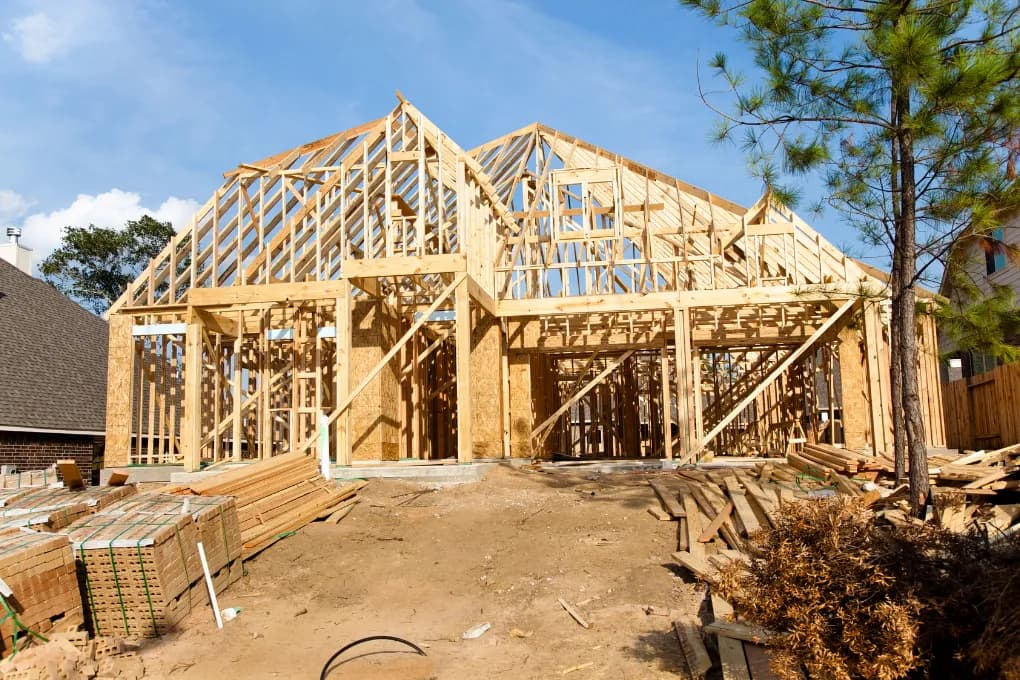
Ground-up construction is the most complex project type in real estate investing, and the financing reflects that complexity. Construction loans involve more moving parts than any other loan product: detailed plans, permits, contractor vetting, draw schedules, inspections at every phase, and an exit strategy that accounts for a property that doesn't yet exist.
Lenders who finance new construction are underwriting both the borrower and the project. They want confidence that the borrower can manage a build from foundation to certificate of occupancy, that the budget and timeline are realistic, that the finished product will appraise at a value that supports the loan, and that the borrower has a viable plan for repayment.
This guide covers every requirement you'll encounter when applying for a construction loan, from the documentation you'll need before submitting an application to the draw process that funds the build and the exit strategy that pays off the loan.
Borrower Experience
This is the first thing construction lenders evaluate, and it carries more weight than in any other loan type. Building a house from the ground up involves managing architects, engineers, general contractors, subcontractors, inspectors, and municipal permitting offices across a timeline that can stretch 8 to 14 months. Lenders want evidence that you've done this before, or that you have a team in place that has.
What lenders look for:
Prior construction projects completed. The strongest applicants have built multiple properties and can document them with photos, permits, certificates of occupancy, and sale or refinance records. Lenders typically ask for a project resume listing each completed build with addresses, timelines, budgets, and outcomes.
Fix-and-flip experience as a stepping stone. If you haven't done ground-up but have completed several significant renovations, some lenders will consider that as qualifying experience, particularly if the rehabs involved structural work, permitting, and contractor management. The skill set overlaps substantially.
First-time builders. Getting a construction loan with no prior building experience is difficult but not impossible. Lenders may approve first-time builders who partner with an experienced general contractor with a strong track record, bring a larger down payment (25% to 30%+), have significant financial reserves, and can demonstrate real estate investment experience in other areas (flipping, rental portfolio management).
Dominion Financial's ground-up construction program works with borrowers across experience levels, adjusting leverage and terms based on the builder's track record and the strength of the project team.
Land Ownership or Acquisition Plan
You need to either own the land already or have a plan to acquire it as part of the construction financing.
If you already own the land: The lender will require a copy of the deed, a current title report, and a survey. The land's equity may count toward your down payment on the construction loan, reducing the cash you need to bring to closing. For example, if the land is worth $80,000 and your total project cost is $350,000, that $80,000 in land equity represents roughly 23% of project cost, which may satisfy the down payment requirement entirely.
If you're purchasing the land: Some construction lenders offer lot acquisition as part of the construction loan, bundling the land purchase and building costs into a single loan. Others require you to acquire the land separately (using cash, a land loan, or seller financing) before applying for the construction loan. Ask about this upfront because it affects your capital requirements and timeline.
Land considerations lenders evaluate: Zoning must allow the intended use (residential, commercial, mixed-use). Utilities (water, sewer, electric, gas) must be available or the cost to bring them to the site must be included in the budget. Environmental concerns (wetlands, flood zones, contamination) must be addressed. The FEMA Flood Map Service Center is the authoritative source for checking flood zone designations before committing to a parcel.
Plans, Permits, and Approvals
Construction lenders require approved architectural plans before funding the loan. The level of documentation varies by project size, but expect to provide:
Architectural drawings. Full construction plans stamped by a licensed architect, including floor plans, elevations, structural details, mechanical/electrical/plumbing layouts, and a site plan showing the building's placement on the lot.
Engineering reports. Structural engineering, and in some cases geotechnical (soil) reports, depending on the site conditions and local building department requirements.
Building permits. Most lenders require permits to be issued (or at minimum, applied for with evidence of approval in progress) before closing the loan. Permit timelines vary dramatically by municipality. In some jurisdictions, permits take 2 to 4 weeks. In others, 3 to 6 months. Factor this into your project timeline.
HOA or architectural review board approval. If the lot is in a community with design guidelines, evidence of approval from the HOA or review board is required.
Impact fees and tap fees. Some municipalities charge significant fees for utility connections, road impact, school impact, and similar assessments. These must be accounted for in the project budget.
Budget and Contractor Requirements
The project budget is scrutinized more closely than any other document in the application. Lenders want line-item detail showing exactly where every dollar goes.
Budget requirements:
A detailed construction budget broken into categories: site work, foundation, framing, roofing, exterior finishes, plumbing, electrical, HVAC, insulation, drywall, interior finishes, flooring, cabinetry, appliances, landscaping, and contingency. Each category should include material costs, labor costs, and subcontractor bids.
Contingency reserve. Most lenders require a 5% to 10% contingency line item in the budget for cost overruns. If your budget doesn't include contingency, the lender will add it, which increases the total project cost and may affect your leverage ratios.
General contractor requirements:
Licensed and insured. The GC must hold a valid contractor's license in the state where the project is located and carry general liability insurance (typically $1M minimum) and workers' compensation coverage.
Track record. Lenders often require the GC to submit a resume of completed projects and references. Some lenders will verify the GC's financial stability to ensure they can float costs between draws.
Fixed-price contract. Most lenders prefer a fixed-price construction contract between the borrower and the GC. Cost-plus contracts (where the borrower pays actual costs plus a percentage markup) are less predictable and make budget verification harder for the lender.
Owner-builder considerations. Some investors act as their own general contractor, managing subcontractors directly rather than hiring a GC. Lenders are more cautious with owner-builders because there's no licensed GC guaranteeing completion. Expect stricter experience requirements, lower leverage, and potentially higher rates if you're building without a GC. The National Association of Home Builders (NAHB) provides resources on construction industry standards that can help borrowers understand what lenders expect from project teams.
Credit and Financial Requirements
Credit score: Most construction lenders require a minimum of 650, with better terms available at 700 and above. Construction loans carry more risk than other real estate products (the collateral doesn't exist yet), so lenders are generally stricter on credit than they are for fix-and-flip or DSCR loans.
Down payment / equity contribution: Expect to bring 10% to 25% of total project cost (land plus construction). The exact requirement depends on your experience, credit, the project's risk profile, and the lender. Land equity counts toward this requirement if you already own the lot.
At Dominion Financial, ground-up construction loans finance up to 90% of total project cost for experienced builders, meaning as little as 10% equity is needed on deals with strong fundamentals.
Reserves: 3 to 6 months of interest payments in liquid reserves after closing. Construction loans are interest-only, and the interest is typically calculated on the drawn balance (not the full loan amount), so the reserve requirement scales with the draw schedule.
Personal guarantee: Nearly all construction loans are full recourse. The borrower personally guarantees repayment. Non-recourse construction financing is rare and generally limited to institutional developers with substantial net worth and deep lender relationships.
The Draw Schedule: How Construction Loan Funding Works
Construction loans don't disburse the full loan amount at closing. Instead, funds are released in draws (also called requisitions) as construction milestones are completed. This protects the lender from funding a project that stalls or fails, and it keeps the borrower from paying interest on funds they haven't used yet.
How the draw process works:
The borrower and lender agree on a draw schedule at closing, tied to construction phases (foundation, framing, rough-ins, drywall, finishes, etc.).
The borrower completes a phase and submits a draw request to the lender, typically with photos and documentation of the completed work.
The lender sends a third-party inspector to verify that the work is complete and matches the approved plans and budget.
Once the inspection is approved, the lender releases the draw funds.
The process repeats for each phase until the project is complete.
Typical draw schedule for a single-family build:
Draw 1: Land/lot closing and site preparation (10% to 15%) Draw 2: Foundation (10% to 15%) Draw 3: Framing and roof (20% to 25%) Draw 4: Mechanical rough-ins (plumbing, electrical, HVAC) (10% to 15%) Draw 5: Insulation, drywall, interior finishes (15% to 20%) Draw 6: Final finishes, landscaping, certificate of occupancy (10% to 15%)
Draw timing matters. The speed at which lenders process draw requests directly affects project cash flow and timeline. A lender who takes 7 to 10 days to process a draw creates gaps where the borrower or GC must float costs out of pocket. Dominion Financial processes construction draws within 24 to 48 hours of inspection approval, which keeps subcontractors paid on schedule and projects moving without interruption.
Interest during construction. Borrowers pay interest only on the drawn balance, not the full loan amount. As each draw is funded, the outstanding balance increases and monthly interest payments rise. At project start, when only the initial draw is outstanding, interest costs are low. By the final phase, when most or all of the loan has been drawn, interest costs are at their peak. Budget for this escalating payment structure.
Exit Strategy
Every construction loan requires a defined plan for repayment. The two primary exits:
Sale. Build the property and sell it upon completion. This is the most common exit for spec home builders. The lender evaluates the projected sale price based on comparable sales of similar new construction in the area. If the numbers support a profit after all costs (land, construction, financing, holding, selling), the exit is viable.
Refinance into permanent financing. Build the property, rent it (or plan to rent it), and refinance into a long-term loan. For investment properties, this usually means a DSCR rental loan that qualifies based on the property's projected rental income. Some lenders offer construction-to-permanent programs that convert the construction loan into a long-term mortgage without requiring a separate refinance closing, saving the borrower a second round of closing costs and appraisal fees.
For more on how the construction-to-permanent transition works, see our article on non-bank construction lending.
Exit strategy documentation. Lenders want to see comparable sales data (for a sale exit) or comparable rental data and a preliminary DSCR analysis (for a refinance exit). The stronger your exit documentation, the more confident the lender is in the deal, which translates to better terms.
Common Reasons Construction Loan Applications Get Denied
Insufficient experience. First-time builders applying without a qualified GC or experienced partner. The lender can't underwrite what they can't evaluate, and an unproven builder is the highest risk factor in any construction deal.
Unrealistic budget. A budget with line items that are below market costs for materials and labor, or a budget that doesn't account for site work, permits, impact fees, and contingency. Lenders compare submitted budgets against regional cost databases and will flag numbers that look optimistic.
Weak exit. Comparable sales don't support the projected sale price, or projected rents don't support a DSCR refinance at current rates. If the math doesn't work on the back end, the deal doesn't get funded on the front end.
Permitting issues. Zoning that doesn't align with the proposed use, unresolved environmental concerns, or permit applications that are stalled or denied. Lenders won't fund a project that can't be legally built.
Contractor red flags. An unlicensed or underinsured GC, a GC with unresolved liens or complaints, or a cost-plus contract with no budget ceiling. The lender is lending against the quality of the team as much as the quality of the project.
Frequently Asked Questions
What do you need for a construction loan?
How do construction loan draws work?
Do you need experience for a construction loan?
What credit score do you need for a construction loan?
How long does a construction loan last?
Can you get a construction loan for an investment property?
Related Posts
View all Construction Loan →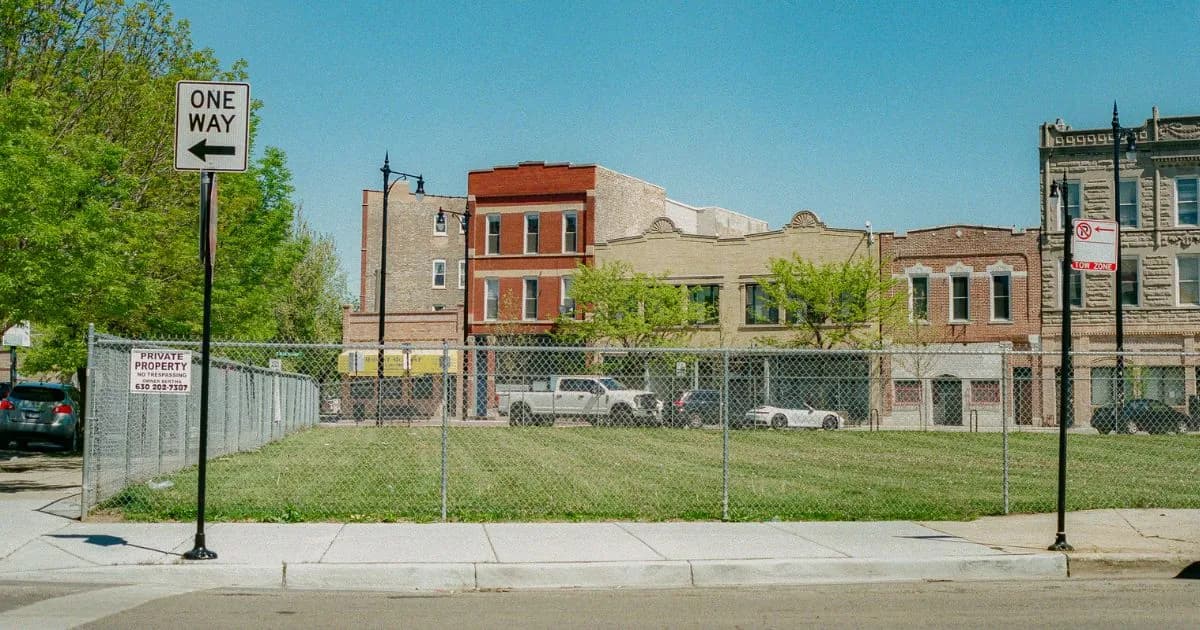
How PUD Zoning Reform Is Creating New Small Multifamily Opportunities
Cities across the country are rewriting zoning rules to allow duplexes, triplexes, and fourplexes on lots that were previously restricted to single-family homes, often through planned unit development ordinances with dramatically lower minimum parcel requirements than in the past. Jurisdictions from British Columbia to Washington State have passed reforms in recent years that reduce minimum lot sizes, remove unit caps, and eliminate parking minimums near transit. For real estate investors, this shift is opening up infill lots that never made economic sense under old zoning rules. This piece covers what a PUD is, what's changing, and how to identify cities making this shift before it becomes common knowledge.
September 15, 2026
What Is a Construction Loan? How It Works, Lender Types, and Requirements
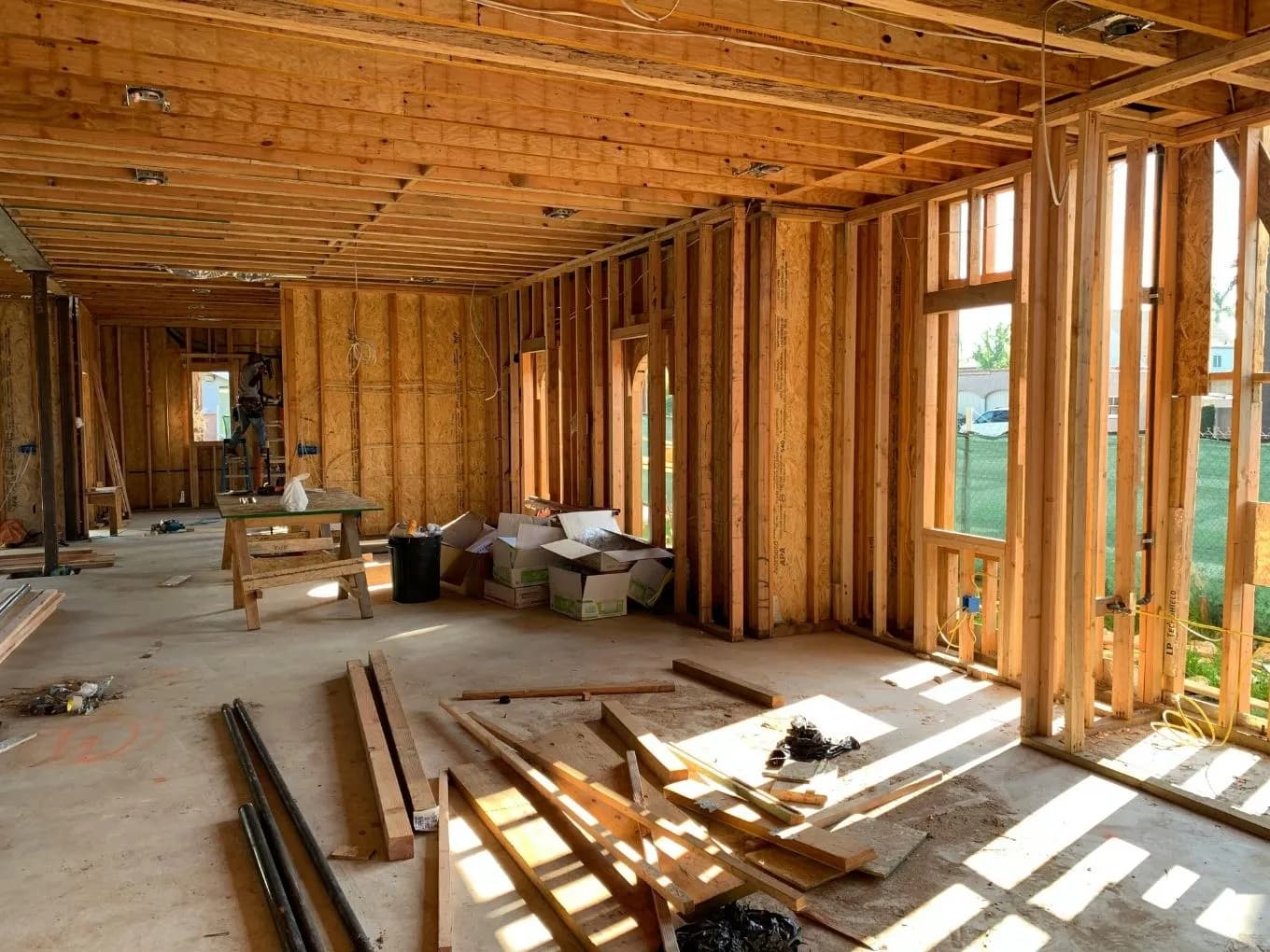
A construction loan is a short-term loan that funds a building project in stages, or draws, rather than a single lump sum, with interest charged only on funds that have been disbursed. Construction loan lenders range from traditional banks to private lenders that specialize in investor-focused ground-up construction. Requirements typically include a strong credit score, a meaningful down payment or equity contribution, and a detailed, permitted construction plan.
August 10, 2026
Understanding The Ground-Up Construction Process
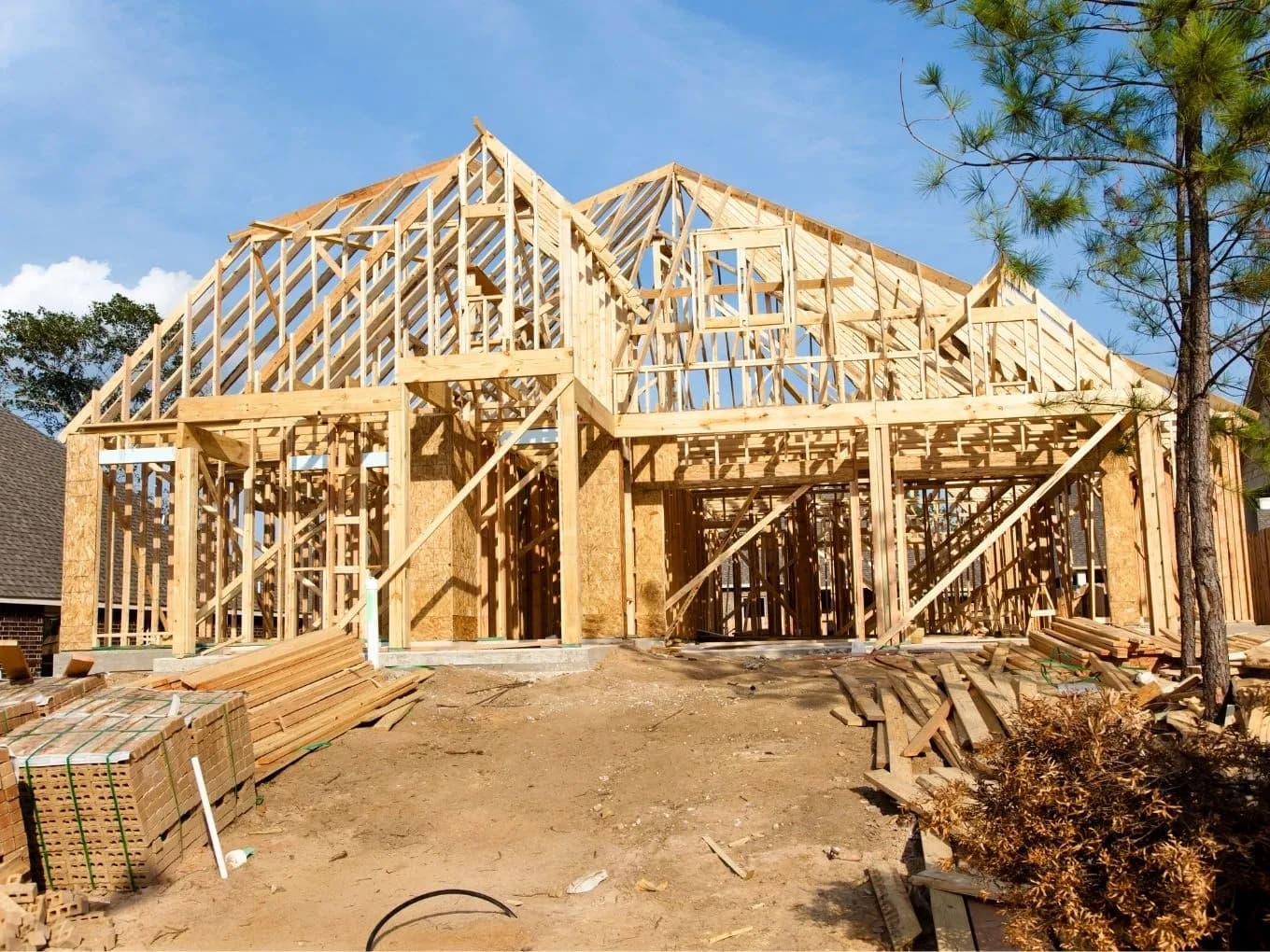
Ground-up construction moves through five distinct phases, and each one gets financed differently. This guide walks through underwriting, land acquisition, horizontal development, and vertical construction step by step, showing exactly how Dominion Financial's loan to cost limits and draw schedule fund a project from raw land to payoff.
August 6, 2026