
Understanding The Ground-Up Construction Process
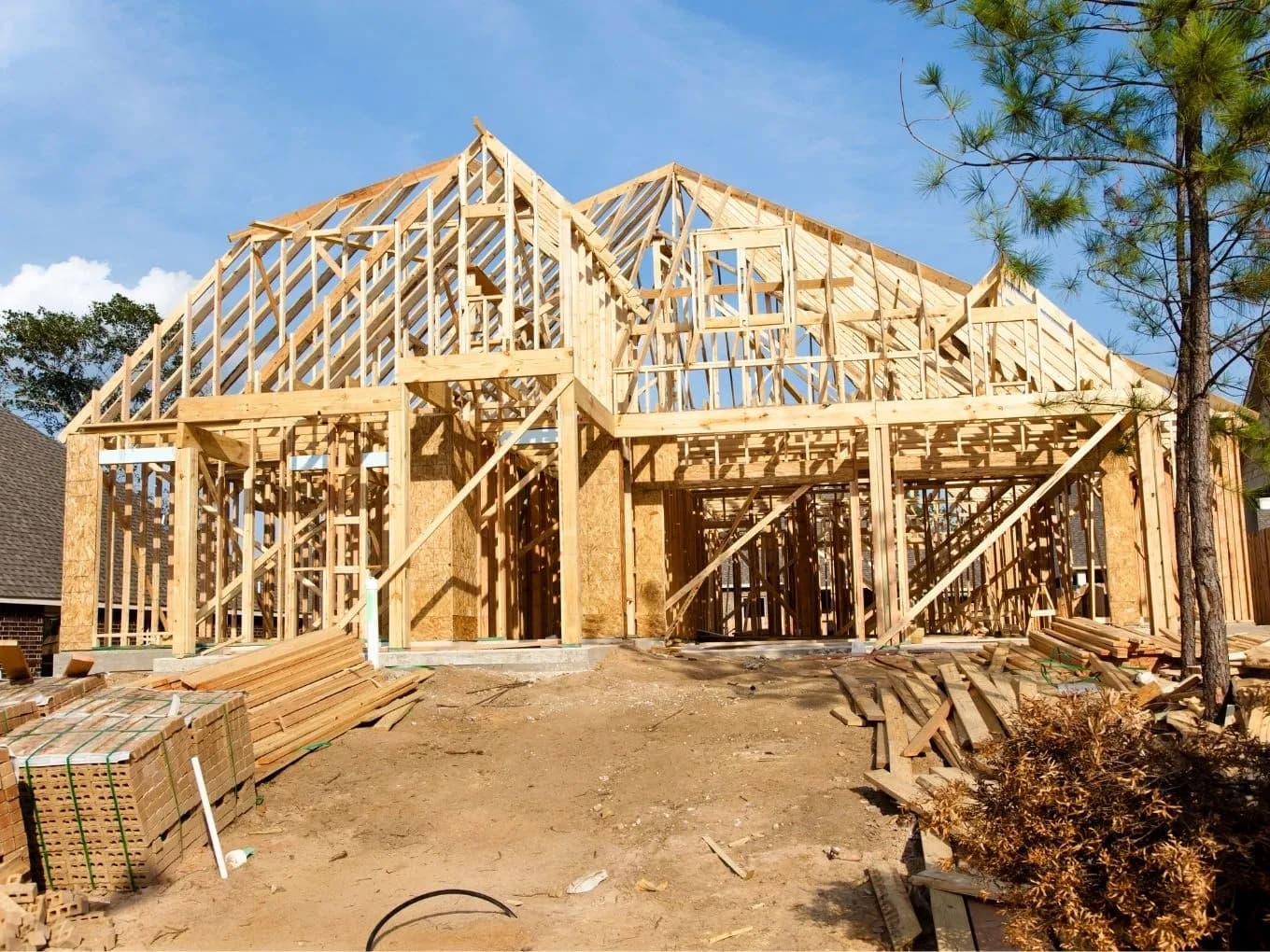
When completing a ground-up construction project, the process moves through 3 financed stages: land acquisition and entitlement, horizontal development, and vertical construction. Throughout the process, draws are funded at key stages while working towards the agreed-upon exit strategy: sale, refinance, or lease-up. Dominion Financial structures its ground-up construction loans to match each stage, releasing capital as the project earns it rather than funding the entire build on day one.
Most developers already understand the broad strokes of a build. What separates a profitable project from a stalled one is how well the financing tracks the actual construction timeline. This guide walks through each phase of the ground-up construction process and ties it to the loan-to-cost limits, draw structure, and underwriting standards Dominion Financial applies at every step, from a raw land purchase through the final draw.
Ground Up Construction vs Fix and Flip: A Different Funding Model
Fix and flip financing funds a renovation against a property that already exists. Ground-up construction financing funds a property that does not exist yet, which means the loan has to account for land cost, development budget, vertical construction budget, and projected finished value that only becomes real once the build is complete.
Because of that gap between committed capital and finished value, ground-up construction loans are structured as draw-based facilities. Instead of one disbursement, the lender releases funds in stages as the project hits documented milestones, verified by inspection. This protects the lender's collateral position and keeps the developer from carrying interest on money that has not been put to work yet. For qualification standards specific to this loan type, see Construction Loan Requirements: What You Need for a Ground-Up Build.
How the Ground Up Construction Process Works, Phase by Phase
Every ground-up project, regardless of scope, moves through the same five-stage sequence. Dominion Financial applies different loan-to-cost limits at each stage based on how much risk has already been removed from the deal. The more finished and de-risked the project (permits in hand, plans finalized, contractors under contract), the more aggressively the loan can be made.
Step 1: Project Identification and Underwriting
Before any capital moves, Dominion Financial underwrites the deal against four numbers: land cost, development budget, vertical construction budget, and projected finished value. These four figures determine the total project cost and the loan amount Dominion Financial is willing to commit.
Shovel-ready deals, meaning the land is entitled, permits are approved, and construction plans are finalized, max out at 90% of total loan-to-cost. This is the point in the process where borrower experience, deal specifics, and a clear exit strategy (sale, refinance, or lease up) matter most, since they directly shape how much leverage the deal can support once it moves into acquisition.
Step 2: Land Acquisition
Once underwriting is complete, financing begins with the land itself. Dominion Financial finances up to 50% of the cost of entitled land, meaning land that is properly zoned and ready for the planned build.
On a $100,000 lot, that structure looks like $50,000 financed by Dominion Financial and $50,000 contributed by the borrower. Developers who already purchased their land before applying are not shut out of this stage. Dominion Financial offers reimbursement of cost basis, which returns a portion of the developer's original investment, freeing up that capital to move into the next phase of the build.
This structure matters because land sitting idle without a financing plan behind it is dead capital. Tying acquisition financing directly to the construction loan keeps a developer's cash working across the full timeline instead of parked in a single lot.
Step 3: Horizontal Development
With the land secured, horizontal development covers the site work that has to happen before a foundation goes in: grading, road access, and utility connections. Dominion Financial finances up to 75% of these horizontal development costs.
Site work costs vary by lot, but industry cost guides put a typical residential horizontal budget, covering grading, utility hookups, and drainage, in the $20,000 to $60,000 range for a standard suburban lot. On a $60,000 horizontal budget, that means $45,000 financed and $15,000 contributed by the borrower. This phase often gets underestimated in early project budgets, since grading and utility work rarely show up in renderings but consistently show up in change orders. Funding a meaningful share of this cost at 75% loan-to-cost keeps a developer's cash reserves intact for the vertical phase, where the largest dollars in the project are spent.
Step 4: Vertical Construction
Vertical construction (framing, mechanical systems, finishes, and everything that turns a graded lot into a finished structure) is where Dominion Financial extends its most aggressive terms and where most of the project budget sits. According to the National Association of Home Builders' 2024 Cost of Construction survey, the average construction cost for a single-family home was $428,215, roughly $162 per square foot for a typical 2,647 square foot home. Using that benchmark, a $425,000 vertical budget on a shovel-ready project is financed in full, with $0 contributed by the borrower.
Shovel-ready status earns this leverage because the two biggest sources of construction risk, permitting delays and unfinished plans, have already been cleared before the first vertical draw request. A project with permits in hand and finalized plans is a known quantity to underwrite. A project still waiting on a permit office is not. That distinction is why the same loan structure can offer 50% on land and 100% on vertical construction within a single deal.
Step 5: Draws, Inspections, and Payoff
Vertical construction funds through a draw schedule, not a single disbursement. As a developer completes each milestone (foundation, framing, mechanicals, finishes), an inspector confirms the work and Dominion Financial releases the corresponding draw.
This is where a non-bank lender's speed shows up in real terms. Dominion Financial funds draws in days rather than the one to two weeks that a typical bank draw review takes, keeping subcontractors paid on schedule and crews moving instead of waiting on a slow release of funds. Delayed draws are one of the most common reasons a construction budget slips, since idle crews and stalled subcontractors add cost even when no work is happening.
The loan resolves at payoff, which happens through a sale, a refinance into permanent financing, or a lease-up period ahead of a long-term hold. For details on how draw timing works day to day, see How to Get Fast Construction Loan Draws.
Loan to Cost by Phase
Phase | Dominion Financial Max LTC | Example Budget | Financed by Dominion Financial | Borrower Contribution |
Land Acquisition | Up to 50% | $100,000 | $50,000 | $50,000 |
Horizontal Development | Up to 75% | $60,000 | $45,000 | $15,000 |
Vertical Construction | Up to 100% (shovel ready) | $425,000 | $425,000 | $0 |
Blended Project Total | Up to 90% on strong shovel-ready deals | $585,000 | $520,000 in this example | $65,000 in this example |
This example blends to roughly a 73% overall loan-to-cost, since land and horizontal costs each carry a borrower contribution. Projects with a larger vertical budget relative to land and horizontal costs blend closer to the 90% ceiling, since vertical construction is the phase Dominion Financial finances in full on shovel-ready deals.
Why the Process Moves Faster With a Non-Bank Lender
Traditional bank construction loans typically move through a 30- to 60-day approval process before a single draw is issued, according to The Federal Savings Bank. Dominion Financial closes ground-up construction loans faster than that timeline by removing the parts of bank underwriting that slow a deal down without adding meaningful risk visibility.
No extended, multi-step bank approval cycle before the first draw
Underwriting built around the project and the numbers rather than a rigid document checklist
Flexible deal structuring for unconventional budgets, mixed-use plans, or phased builds
Ability to finance scattered site and non-standard projects that many traditional lenders decline outright
For developers running more than one project at a time, that speed compounds. A draw that clears in days instead of weeks keeps every open project on schedule instead of just the one currently short on cash. For a fuller comparison, see Non-Bank vs Traditional Construction Lending.
How the Process Scales Across Project Types
The five-stage sequence- underwriting, acquisition, horizontal development, vertical construction, and payoff- holds regardless of what gets built. What changes is scope.
Single family: the sequence above, applied to one lot and one structure
Multifamily: the same phases, sized to a larger vertical budget and a longer draw schedule across more units
Scattered site: the same phases repeated across multiple, noncontiguous lots, financed and drawn as a single portfolio facility rather than one loan per address
Subdivisions: horizontal development expands to cover shared infrastructure across the full site before vertical construction begins on individual lots
The National Association of Home Builders projects single-family starts will reach 940,000 units in 2026, a modest increase as builders and investors work through elevated financing costs and material prices. That growth runs through the same phase structure described here, just at different scales depending on project type.
What Happens After Construction: Post-Construction Exits
A ground-up construction loan resolves in one of three ways. Sale is the most direct exit, converting the completed project into cash and closing the loan. Refinance into permanent financing, typically a 30-year DSCR rental loan, lets a developer hold the property as a long-term rental without starting the loan process from scratch. Dominion Financial offers both the construction loan and the permanent DSCR Rental Loan refinance, which keeps the transition in one relationship instead of two.
Summary and Next Step
The ground-up construction process is really a sequence of financing decisions tied to construction milestones: underwriting the full budget, financing entitled land, funding horizontal development, covering vertical construction, and moving through a draw schedule to payoff. Dominion Financial builds its loan structure around that exact sequence, with loan-to-cost limits and draw speed designed to keep a project moving instead of waiting on financing.
Ready to size your next build? Get My Quote and talk with the Dominion Financial construction team about your project's numbers.
Learn MoreFrequently Asked Questions
What is the maximum loan-to-cost for a ground-up construction loan?
How fast are construction draws funded?
Do I need to already own the land to get a ground-up construction loan?
What property types qualify for the ground-up construction process described here?
What happens at the end of the ground-up construction process?
Related Posts
View all Construction Loan →
How PUD Zoning Reform Is Creating New Small Multifamily Opportunities
Cities across the country are rewriting zoning rules to allow duplexes, triplexes, and fourplexes on lots that were previously restricted to single-family homes, often through planned unit development ordinances with dramatically lower minimum parcel requirements than in the past. Jurisdictions from British Columbia to Washington State have passed reforms in recent years that reduce minimum lot sizes, remove unit caps, and eliminate parking minimums near transit. For real estate investors, this shift is opening up infill lots that never made economic sense under old zoning rules. This piece covers what a PUD is, what's changing, and how to identify cities making this shift before it becomes common knowledge.
September 15, 2026
What Is a Construction Loan? How It Works, Lender Types, and Requirements
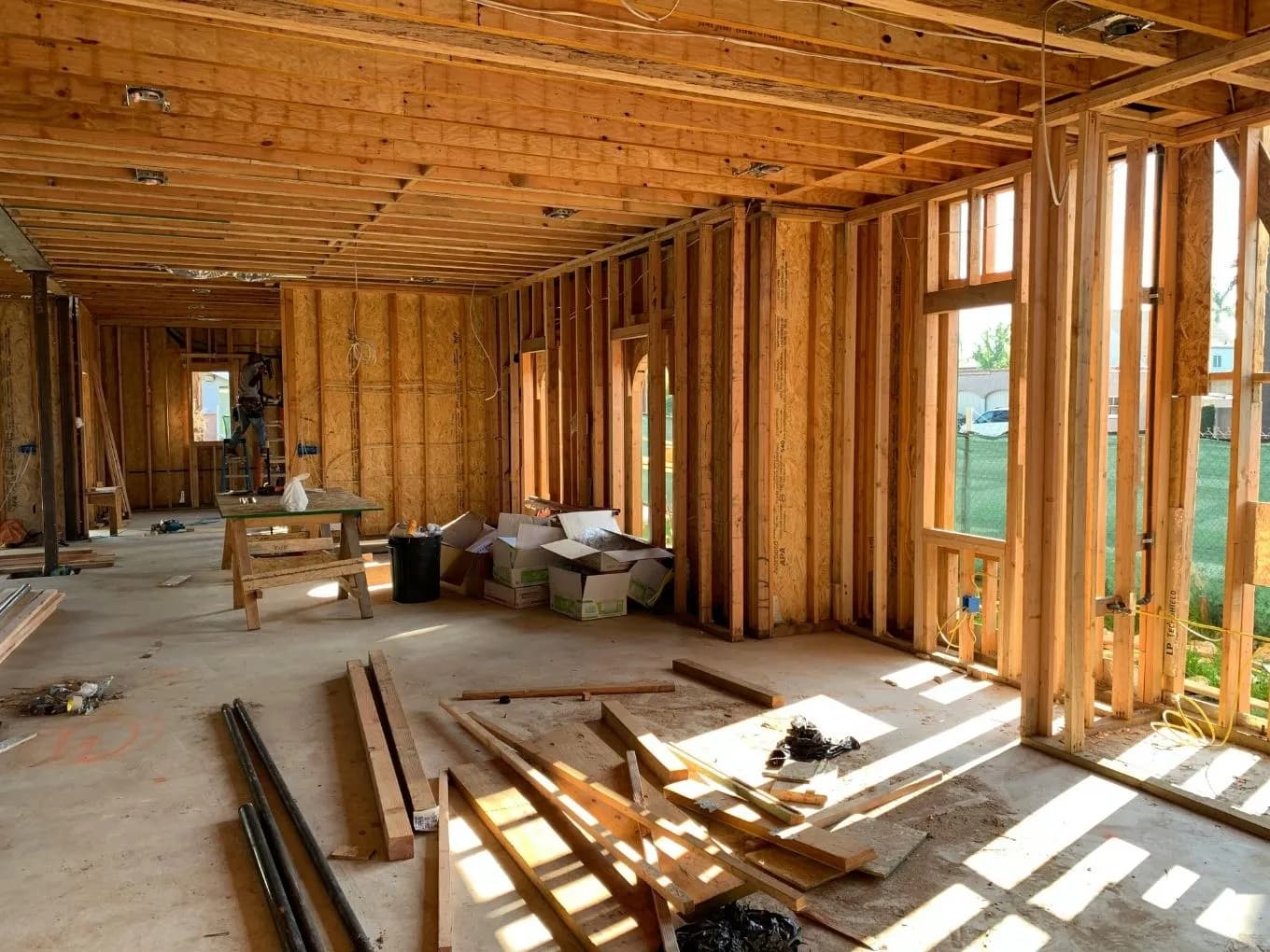
A construction loan is a short-term loan that funds a building project in stages, or draws, rather than a single lump sum, with interest charged only on funds that have been disbursed. Construction loan lenders range from traditional banks to private lenders that specialize in investor-focused ground-up construction. Requirements typically include a strong credit score, a meaningful down payment or equity contribution, and a detailed, permitted construction plan.
August 10, 2026
Construction Loan Requirements: What You Need for a Ground-Up Build
Ground-up construction loan requirements include real estate and construction experience, land ownership or a land acquisition plan, approved architectural plans and permits, a detailed budget with contractor bids, a credit score of 650 or higher, a down payment of 10% to 25% of total project cost, cash reserves, and a clear exit strategy (sale or refinance). Funds are disbursed through a draw schedule tied to completed construction milestones, with inspections required before each draw is released. Most ground-up construction loans run 12 to 18 months.
June 30, 2026