
How to Get Fast Construction Loan Draws: A Builder’s Guide
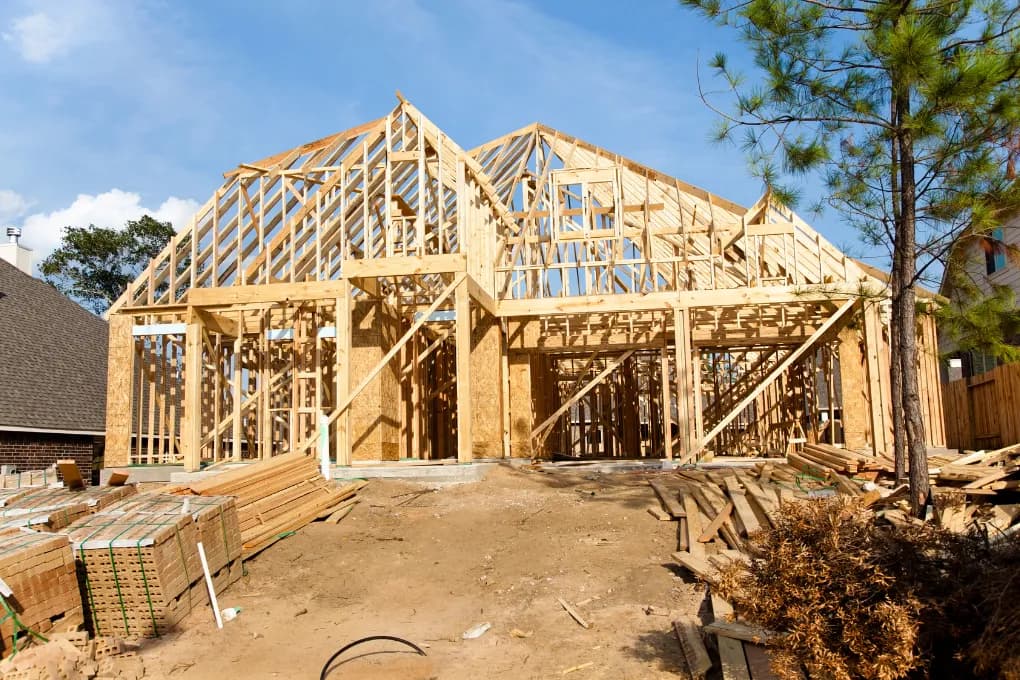
In ground-up development, timing is everything.
When capital shows up late, it doesn’t just delay a project. It throws off execution, increases holding costs, and slowly chips away at your returns. Most experienced investors know the deal itself is only part of the equation. What really matters is how smoothly and quickly you can move from start to finish.
If your lender takes weeks to release funds, you’re not just waiting. You’re losing momentum.
Why Fast Construction Loan Draws Matter
Construction is all about sequencing. One phase finishes, the next begins. That only works if the money is there when it’s needed.
When draws are slow, projects usually don’t fall apart. They just stall.
Crews get pushed back. Subs move on to other jobs. Schedules get harder to manage. What should be a steady process turns into a stop-and-start.
That’s where things get inefficient.
Fast draws keep things moving the way they should. Instead of working around your lender, your financing actually supports your timeline.
Speed Protects More Than Just Timelines
Every extra week on a project costs money. Interest, taxes, insurance, all of it keeps adding up.
On paper, those costs might not look like much. In reality, they stack quickly, especially if you’re running multiple projects at once.
But the bigger issue is how it affects your overall returns.
A deal that takes 8 months instead of 6 might still look fine on paper. But now you’ve completed fewer projects in a year. That’s where the real difference shows up.
Faster draws help keep timelines tight. And tighter timelines mean you can do more deals over time.
Capital Efficiency Is the Real Advantage
Most investors aren’t struggling to find deals. The challenge is putting capital to work efficiently.
This is where draw speed really starts to matter.
When funding comes in on time, you’re not fronting extra cash or leaving money sitting in a deal longer than it needs to be. Your capital moves with the project instead of getting stuck in it.
Over time, that adds up to:
More projects are running at the same time
Less cash tied up in construction
Faster turnaround into the next deal
Execution Speed vs. Interest Rate
A lot of people focus on the rate when they’re comparing lenders. That makes sense, but it’s only part of the picture.
Execution is what actually impacts your business.
A slightly better rate doesn’t help much if your project keeps getting delayed waiting on funds. In many cases, the cost of those delays is higher than anything you saved on interest.
Fast draws shift the focus. Instead of just trying to save on cost, you’re putting yourself in a position to move faster and do more.
Where Fast Draws Have the Biggest Impact
The more deals you take on, the more important this becomes.
If you’re managing multiple builds, working with tight contractor schedules, or operating in a market where timing matters, delays start to have a bigger impact.
Investors who can keep projects moving tend to build better relationships with their crews and stay more consistent with their pipeline.
Partnering With the Right Lender
Fast construction loan draws don’t change the deal itself. What they change is how well you can execute.
They help you stay on schedule, keep your capital moving, and take on more projects without getting slowed down.
That’s the idea behind how Dominion Financial approaches construction lending.
Draws can be funded in as little as 24 hours, with up to 90% LTC and financing that covers the full cycle from land acquisition through vertical construction.
Frequently Asked Questions
What are construction loan draws?
Why are fast construction loan draws important?
How do slow draw processes affect construction projects?
Are fast draws more important than interest rates?
How can fast draws help scale a construction business?
Related Posts
View all Construction Loan →
How PUD Zoning Reform Is Creating New Small Multifamily Opportunities
Cities across the country are rewriting zoning rules to allow duplexes, triplexes, and fourplexes on lots that were previously restricted to single-family homes, often through planned unit development ordinances with dramatically lower minimum parcel requirements than in the past. Jurisdictions from British Columbia to Washington State have passed reforms in recent years that reduce minimum lot sizes, remove unit caps, and eliminate parking minimums near transit. For real estate investors, this shift is opening up infill lots that never made economic sense under old zoning rules. This piece covers what a PUD is, what's changing, and how to identify cities making this shift before it becomes common knowledge.
September 15, 2026
What Is a Construction Loan? How It Works, Lender Types, and Requirements
A construction loan is a short-term loan that funds a building project in stages, or draws, rather than a single lump sum, with interest charged only on funds that have been disbursed. Construction loan lenders range from traditional banks to private lenders that specialize in investor-focused ground-up construction. Requirements typically include a strong credit score, a meaningful down payment or equity contribution, and a detailed, permitted construction plan.
August 10, 2026
Understanding The Ground-Up Construction Process
Ground-up construction moves through five distinct phases, and each one gets financed differently. This guide walks through underwriting, land acquisition, horizontal development, and vertical construction step by step, showing exactly how Dominion Financial's loan to cost limits and draw schedule fund a project from raw land to payoff.
August 6, 2026