
How PUD Zoning Reform Is Creating New Small Multifamily Opportunities

A planned unit development, or PUD, is a zoning tool that allows a property to be developed differently than the standard zoning code would otherwise permit, based on a specific plan approved by the city rather than a blanket rezoning.
Historically, PUDs have skewed toward larger-scale projects: many jurisdictions set minimum parcel sizes commonly ranging from roughly 5 to 20 acres or more, depending on the jurisdiction, which put them out of reach for small investors working with single infill lots. Some places have used far smaller thresholds, and a few have none at all, but a substantial minimum acreage requirement has historically been common enough to keep PUDs out of reach for infill-scale projects in many markets.
That's starting to change. A wave of zoning reform over the past several years has specifically targeted the barriers that kept small-scale, multi-unit housing out of neighborhoods zoned for single-family homes, and the reforms are showing up in ways that create real opportunity for investors paying attention.
What's Actually Changing
The reforms vary by jurisdiction, but the pattern is consistent: lower the minimum lot size, raise the allowable unit count, and reduce the parking and process burden that made small multifamily infeasible on individual lots.
In British Columbia, Bill 25 requires municipalities to update their zoning by June 30, 2026, to allow more housing units per lot and to remove minimum on-site parking requirements near frequent transit areas. Combined with earlier small-scale multi-unit housing legislation, the changes require local bylaw updates allowing three to four units on many lots that were formerly zoned for single-family homes or duplexes, and up to six units near frequent bus service. Compliance across municipalities has not been uniform since the deadline passed; some jurisdictions have moved forward, while at least one has formally declined to comply and is now under provincial oversight, so investors should confirm the status of a specific municipality's bylaws directly rather than assuming province-wide uniformity.
In Spokane, Washington, the city reduced the required lot width to 36 feet in most residential single-family zones and cut the minimum lot size for attached homes to 1,280 square feet, according to Spokane Rising's coverage of the city's middle housing rules.
These are the kinds of specific, technical threshold changes that determine whether a given infill lot is actually buildable for multiple units, and they're easy to miss unless you're reading the zoning code directly rather than a summary of it.
The scope of this shift is broader than a handful of cities. State legislatures passed more than 100 pro-housing laws in 2025 alone, according to Pew Charitable Trusts research, a marked increase compared with prior years and part of a broader, sustained trend toward zoning and land-use reform aimed at increasing housing supply.
Why This Matters for Investors
The economics of small multifamily infill have historically been constrained less by demand and more by what was legally buildable on a given lot. A lot zoned strictly for a single detached home often isn't worth much to a builder, because the achievable rent or sale price on one unit doesn't justify acquiring and developing the land.
That's part of why many of these lots sit vacant or underused for years, owned by people who bought them speculatively and have no active plans to build.
When a city lowers the minimum lot size or raises the allowable unit count on that same parcel, the math can change substantially. The same lot that didn't pencil for a single home can work as a duplex or fourplex, particularly when combined with reduced parking requirements and lighter permitting processes than a traditional rezoning would require.
That shift also tends to attract less competition early on, since many owners of underused lots aren't aware their zoning has changed, and many investors haven't yet started looking at these parcels as viable multifamily sites.
How to Identify These Opportunities
Zoning reform of this kind tends to happen quietly relative to how much it affects land value, which means the investors who track it early have a real advantage over those who wait until it's reflected in land prices.
Watching city council and planning commission agendas in target markets is the most direct way to catch these changes as they're proposed, since most reforms go through public hearings before adoption. It's also worth tracking outcomes after adoption: some reforms are later scaled back, challenged, or repealed through referendum, so a policy that passed in one legislative session isn't guaranteed to remain in effect.
Reviewing zoning code text directly, rather than relying on news coverage or summaries, matters because the specific thresholds, minimum lot size, unit count caps, parking requirements, and setback rules are what actually determine whether a given parcel is buildable, not the general description of the policy.
Checking whether reform pairs with financial support is also worth doing, since some jurisdictions combine zoning changes with funding programs aimed at bridging the gap between construction costs and achievable rents for workforce housing, an approach the Joint Center for Housing Studies at Harvard and other housing researchers have documented as part of broader missing middle strategies.
And identifying underused lots in reform jurisdictions before ownership catches on to the new zoning, using tax assessor records to find long-held, undeveloped, or under-built parcels, is where the actual deal-sourcing advantage tends to show up.
This is still an early-stage trend in most of the country, but it's moving quickly. Investors who understand both the mechanics of a PUD and the specific zoning thresholds in their target markets are positioned to act before these opportunities become widely recognized.
Financing the Opportunity
Once you've identified a lot that pencils under the new zoning, financing becomes the next hurdle. Building two to four units from the ground up is a different underwriting conversation than a typical single-family purchase or rehab, which is where a ground-up construction loan built for small multifamily comes in.
Dominion Financial's Ground-Up Construction program is designed for infill projects like this, funding both the land and the build so investors can move on a newly buildable lot before the opportunity gets priced in.
For investors planning to hold and rent the finished units rather than sell, that construction loan can also roll into a DSCR loan at completion, financing the long-term hold based on the property's rental income rather than personal income documentation.
Disclaimer: This article is for informational purposes only and does not constitute legal advice. Zoning laws and planned unit development requirements vary significantly by city and county and change frequently. Consult a qualified land use attorney or your local planning department before making decisions based on this information.
Frequently Asked Questions
What is a planned unit development (PUD)?
What is missing middle housing?
Which cities have recently reformed zoning to allow more small multifamily housing?
How can investors find infill lots affected by zoning reform?
Do these zoning changes come with financial incentives?
Related Posts
View all Construction Loan →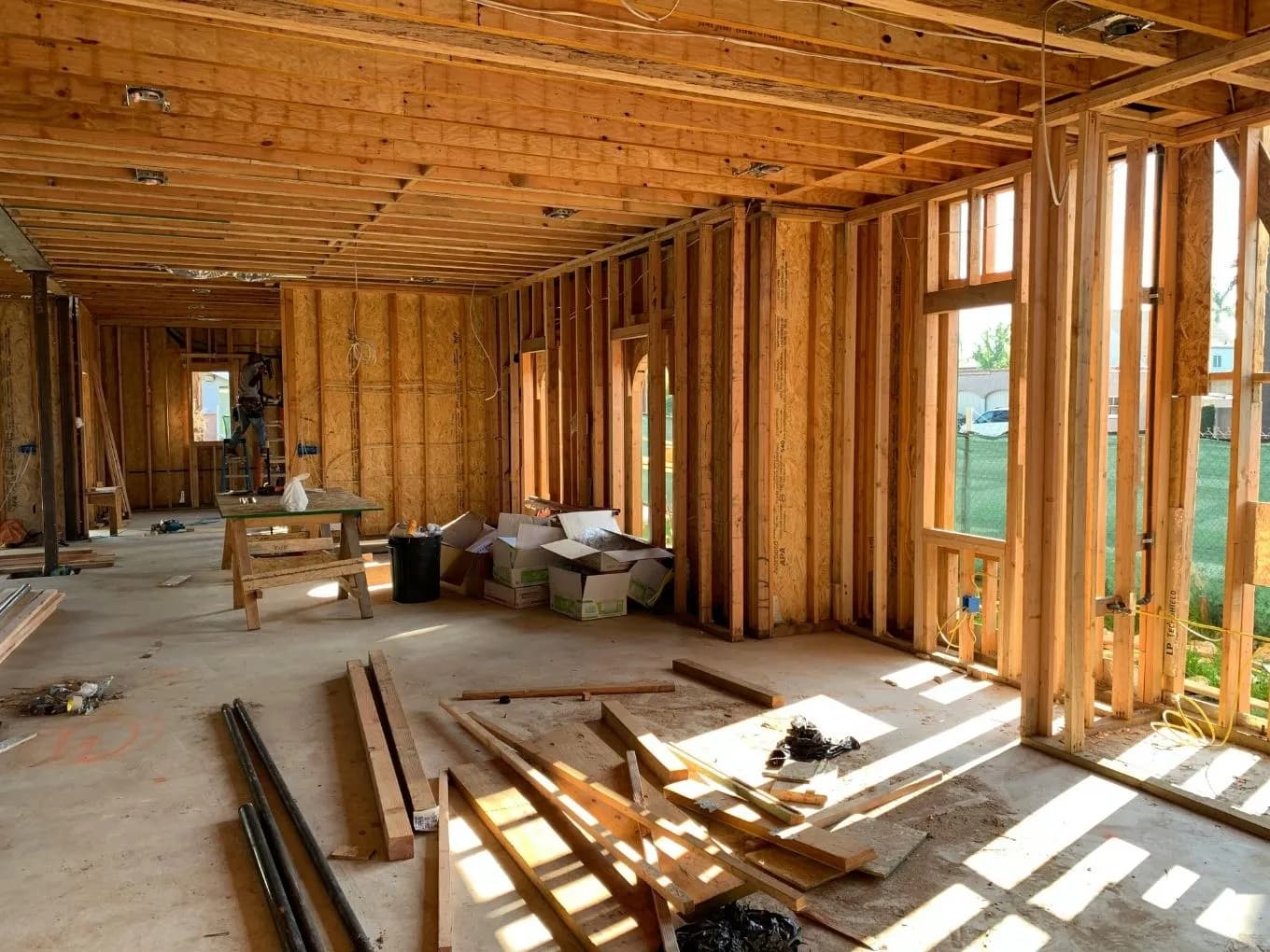
What Is a Construction Loan? How It Works, Lender Types, and Requirements
A construction loan is a short-term loan that funds a building project in stages, or draws, rather than a single lump sum, with interest charged only on funds that have been disbursed. Construction loan lenders range from traditional banks to private lenders that specialize in investor-focused ground-up construction. Requirements typically include a strong credit score, a meaningful down payment or equity contribution, and a detailed, permitted construction plan.
August 10, 2026
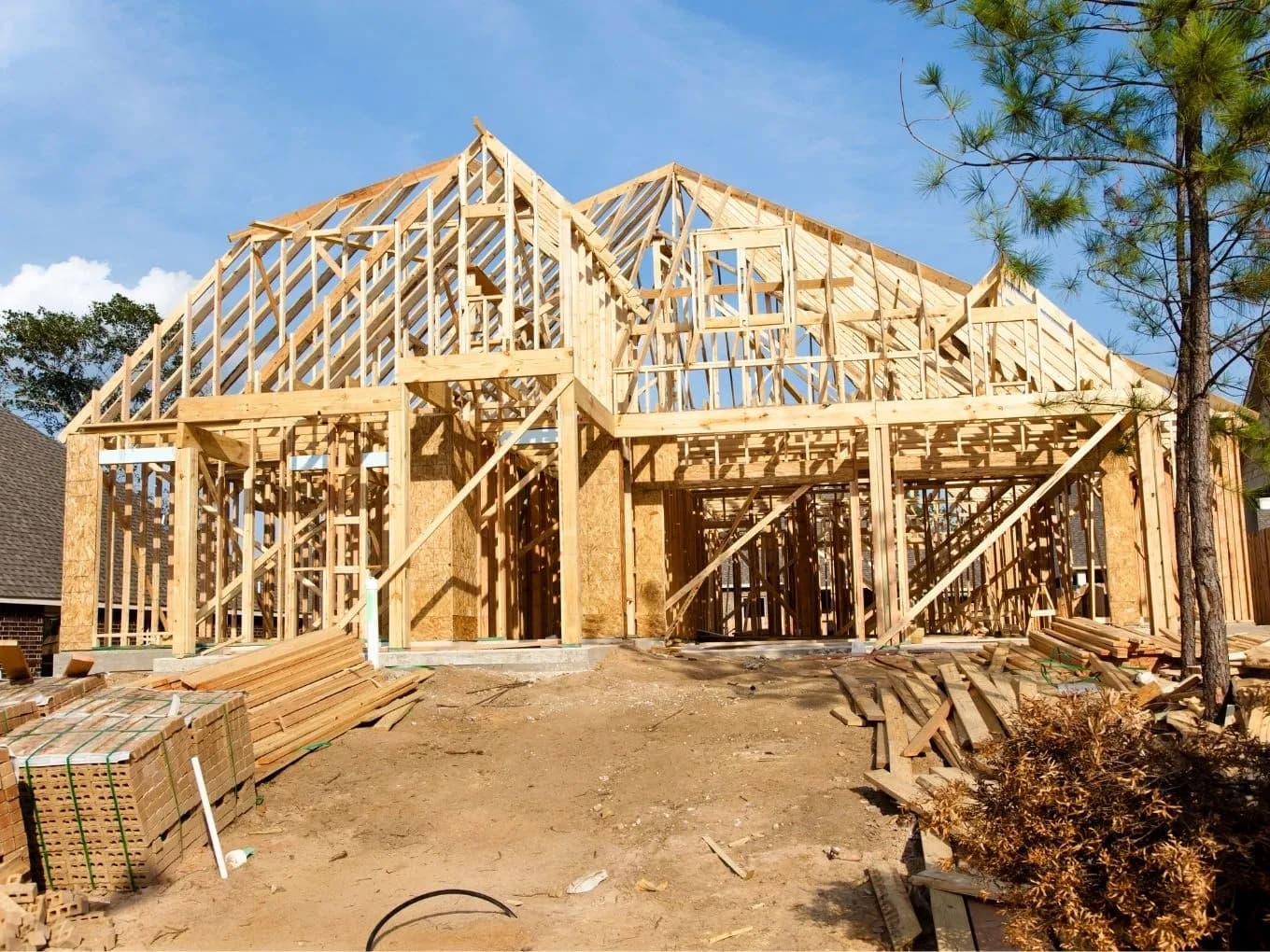
Understanding The Ground-Up Construction Process
Ground-up construction moves through five distinct phases, and each one gets financed differently. This guide walks through underwriting, land acquisition, horizontal development, and vertical construction step by step, showing exactly how Dominion Financial's loan to cost limits and draw schedule fund a project from raw land to payoff.
August 6, 2026
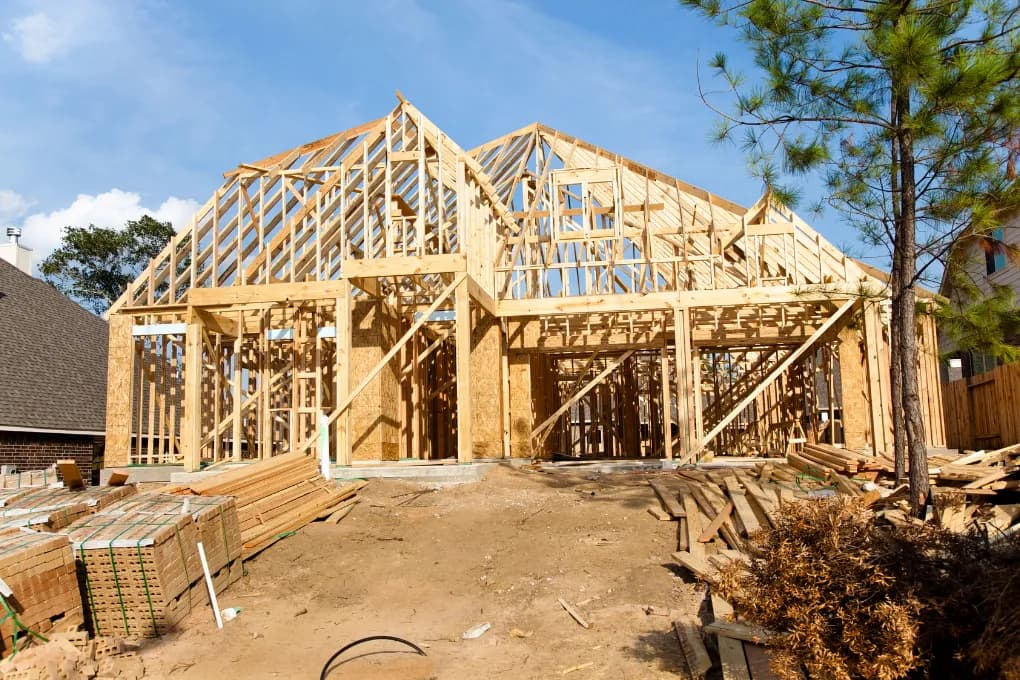
Construction Loan Requirements: What You Need for a Ground-Up Build
Ground-up construction loan requirements include real estate and construction experience, land ownership or a land acquisition plan, approved architectural plans and permits, a detailed budget with contractor bids, a credit score of 650 or higher, a down payment of 10% to 25% of total project cost, cash reserves, and a clear exit strategy (sale or refinance). Funds are disbursed through a draw schedule tied to completed construction milestones, with inspections required before each draw is released. Most ground-up construction loans run 12 to 18 months.
June 30, 2026