
Understanding Build-to-Rent in Real Estate Investing
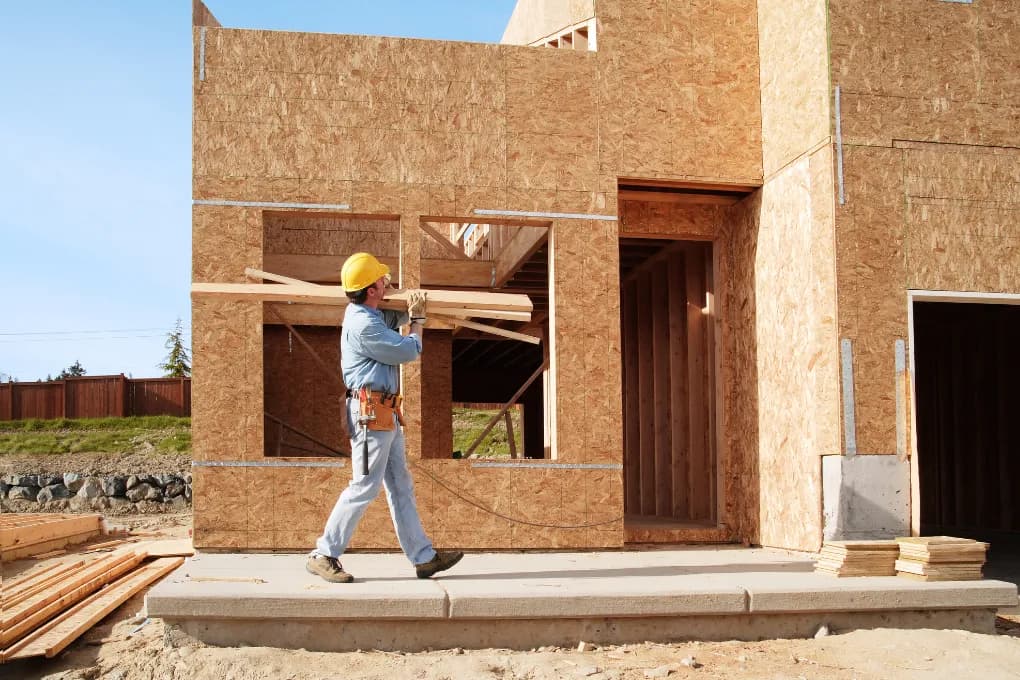
Rising costs and economic uncertainty has led younger generations to prioritize renting over buying a home. This shift presents an opportunity for real estate investors to invest in rental communities.
Build-to-rent is the emerging star of the housing industry, allowing investors to capitalize on steady cash flow and high demand. In this comprehensive guide, we will explain what build-to-rent entails, the benefits, how to get started, and more.
What Is Build-To-Rent?
Build-to-rent (BTR) is a powerful investment strategy focused on long-term cash flow and property appreciation. Rather than selling newly constructed homes to homeowners, investors instead retain them as rental properties, thereby capitalizing on the growing demand for high-quality build-to-rent homes. This approach provides consistent rental income while allowing properties to appreciate in value over time.
At Dominion Financial, we offer a seamless 2-step financing solution for BTR investors. First, our ground-up construction loan funds the development of the property. Then, once construction is complete, investors can refinance with a DSCR loan, securing long-term financing based on the property's cash flow, not personal income. This strategy enables investors to scale their portfolios efficiently while maximizing rental income potential. For a broader look at how BTR fits alongside other rental strategies, see our guide to single-family rental and portfolio loans.
The Benefits of Build-To-Rent
BTR investing offers several compelling benefits, making it an attractive investment strategy for experienced investors. Those benefits can be categorized into four categories.
1. High Demand for Rentals
Millennials and Gen Z are facing financial challenges, especially regarding homeownership. While lifestyle preferences and a refocus on an experiential existence are part of the move toward rentals, the main reason is the cost.
Housing shortages, rising housing prices, and out-of-control student debt motivate younger generations toward rentals. A rental property represents fewer responsibilities and worries, ultimately driving a rental boom.
2. Customization Opportunities
Since you're building the house or community, you can customize the features and amenities to target and attract your desired demographic. Many renters prefer energy-efficient installations, higher-end finishes, and technology packages. You may also want to offer different floor plans to suit more people.
3. Long-Term Wealth Building
Build-to-rent also offers the opportunity to build long-term wealth. Not only do you receive recurring rental income, but your property, just like traditional real estate, will appreciate over time, building equity. Additional tax advantages, such as deductions for mortgage interest, property taxes, and depreciation, also mean more money in your pocket.
4. Scalability
BTR investments don't need to start with large-scale communities. You can start with a single-family home and, depending on the property size, build more houses as your budget allows. Maybe you'll succeed in buying smaller properties, building a duplex or multiple homes, and replicating that small-scale project elsewhere. The point is a BTR strategy can grow with you.
The 2-Step Financing Process for Build-To-Rent
A BTR strategy requires two loans: a construction loan and a rental loan. Each loan is for a different phase in the project lifeline.
1. Ground-Up Construction Loan
A ground-up construction loan is a financing solution for a property's initial purchase and development. The loan should cover the land acquisition, permits, materials, and labor. Depending on the investor's experience and the property's size, the loan amount should also include some flexibility to scale and optimize designs for profitability.
Dominion Financial offers construction loans with no appraisal requirements and fast closings, in as little as seven to 10 days. Loan program specifics include:
Loan-to-cost ratio up to 90%
Interest-only terms during construction
Financing for new builds on raw land or for teardown/rebuild projects
Working with a builder or general contractor. Most BTR investors work with a licensed general contractor or builder to manage day-to-day construction, rather than acting as their own contractor. When evaluating a build-to-rent builder or general contractor, look for direct experience with BTR or similar rental-community projects, since the finish specifications and unit layouts differ from a typical one-off custom home. To manage construction timelines and costs effectively, also talk to your loan officer. They offer expert support to all real estate investors.
2. Refinance With a Rental Loan
When construction is complete on your build-to-rent project and occupancy rates are climbing, it's time to consider refinancing with a long-term rental loan. A rental loan provides lower interest rates for stabilized properties and a predictable monthly payment. With the freed-up capital from the refinance, you can continue to grow your rental portfolio.
Dominion offers rental loans for single properties or portfolios. It also offers a price-match guarantee on rates and a streamlined underwriting process. If you apply for a rental loan, you can expect:
Long-term, fixed-rate options for stabilized properties
DSCR-based underwriting (no personal income verification)
DSCR Price-Beat Guarantee
Loan approval also means cash-out refinancing options for future projects, so you can unlock your equity.
5 Steps to a Successful Build-To-Rent Project
A BTR project is a worthy investment only if you understand how to make the most of the opportunity. There are five steps to a successful BTR project:
Research the Market: Who is your ideal renter? To appeal to them, you must determine their demographics and lifestyle preferences. Beyond defining your renter, analyze the market (rental rate, vacancy rate, demand for rentals) and assess your competition.
Secure a Construction Loan: Work with a Dominion loan officer to get pre-approved. Complete a thorough and compelling application.
Plan and Build: Create a detailed construction plan that includes layouts, materials, and amenities, and select a general contractor or builder with relevant BTR experience. Focus on the budget.
Stabilize the Property: Develop a comprehensive marketing strategy and set competitive rental rates. Consider offering rate specials to stand out from your competition.
Refinance With a Rental Loan: Once you have tenants, it's time to convert to a long-term loan with lower rates and more predictable payments. A rental loan makes rental ownership and management more affordable.
It helps to consult an experienced investor or finance professional about these steps. Dominion representatives can offer guidance on the financial aspects of build-to-rent housing opportunities.
Why Choose Dominion Financial?
You should work with a lender you're comfortable with, especially for costly and commitment-heavy BTR projects. Dominion Financial specializes in financing solutions for real estate investors, and our staff deeply understands the build-to-rent housing market. For a closer look at how BTR financing compares to other rental property loan options, see our rental property financing guide.
With a streamlined application and approval process, thanks to Dominion's in-house underwriting team, you'll experience quick closings and fast funding. Both the construction and rental loan programs average a seven to 10-day approval timeline.
Dominion Financial believes in investor-centric terms and a relationship-focused approach.
Frequently Asked Questions
How do I qualify for a ground-up construction loan?
Do I need a general contractor for a build-to-rent project?
What happens if construction takes longer than expected?
Do I need tenants in place before refinancing?
What kind of rental properties qualify for refinancing?
What's the difference between a DSCR loan and a traditional loan?
Related Posts
View all Rental Loan →
How PUD Zoning Reform Is Creating New Small Multifamily Opportunities
Cities across the country are rewriting zoning rules to allow duplexes, triplexes, and fourplexes on lots that were previously restricted to single-family homes, often through planned unit development ordinances with dramatically lower minimum parcel requirements than in the past. Jurisdictions from British Columbia to Washington State have passed reforms in recent years that reduce minimum lot sizes, remove unit caps, and eliminate parking minimums near transit. For real estate investors, this shift is opening up infill lots that never made economic sense under old zoning rules. This piece covers what a PUD is, what's changing, and how to identify cities making this shift before it becomes common knowledge.
September 15, 2026
How a DSCR Loan in Michigan Can Help You Scale Your Rental Portfolio
Detroit offers some of the most affordable home prices of any major U.S. market alongside a solid rent base, while Grand Rapids delivers improving occupancy and steady rent growth, though Michigan's property tax uncapping and Detroit-area insurance costs require careful underwriting. Dominion Financial's DSCR loan program qualifies borrowers on rental income instead of personal income, backed by a price-beat guarantee, 80% LTV, and closings in as little as 10 days.
September 10, 2026

Why "Tenant Stickiness" Matters More Than Your Cap Rate
Most rental investors underwrite a property on today's rent number alone, but that tells you almost nothing about whether the income will still be there in eighteen months. Tenant stickiness, a concept borrowed from commercial real estate, measures how likely a tenant is to renew. Here's why it matters more than your cap rate, and how to evaluate it before you buy.
September 10, 2026