
How New Construction Loans Work – A Guide for Real Estate Investors
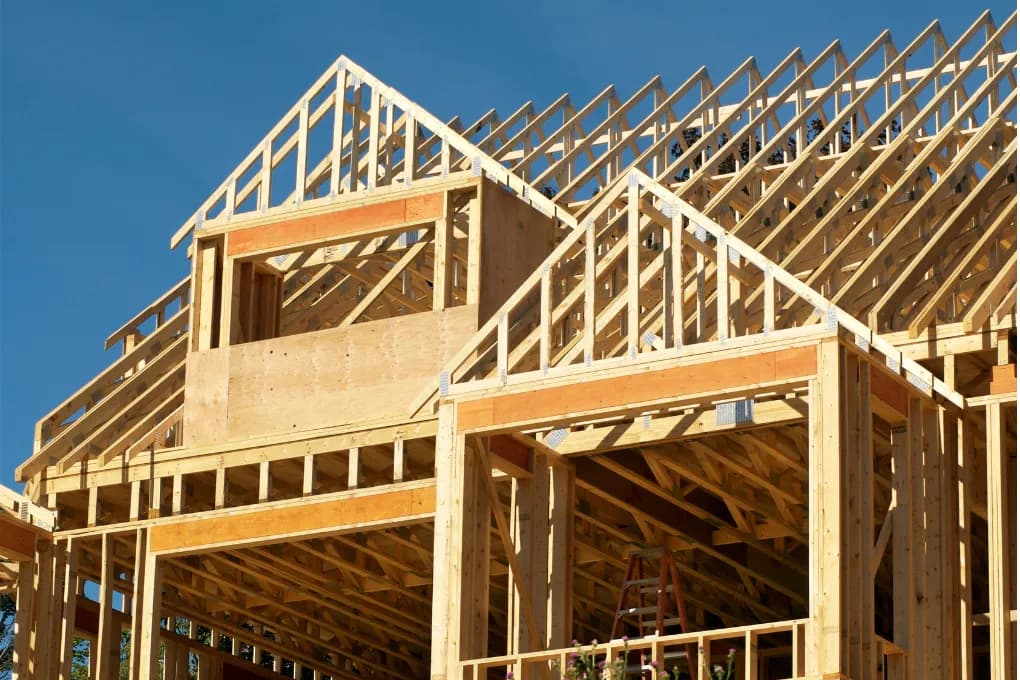
Real estate investing is highly competitive, with limited property supply challenging profitable deals. New construction offers investors fewer competitors and the potential for higher returns, but success depends on strategic financing.
While traditional mortgages are common, new construction loans provide greater flexibility for short-term investments. Let’s dive into why real estate investors should be leveraging new construction loans.
How Do New Construction Loans Work?
A new construction loan requires an application and approval, with eligibility based on creditworthiness, a sufficient down payment, and a detailed project plan with a realistic timeline and budget.
If approved for a construction loan for a rental property or residential build, disbursement follows a draw schedule, with funds released in stages such as:
Foundation
Framing
Lock-up
Completion
A key advantage of construction loans is the option for interest-only payments during the build, reducing initial costs until the property generates income. Upon project completion, the loan may convert to a traditional mortgage or be refinanced into conventional financing.
Tips for Success
Construction loans are short-term loans with high interest rates. While they can be beneficial for the right project and seasoned investor, they can also be challenging to navigate and manage. To succeed with a new construction loan, focus on your bookkeeping and budgeting. Keep detailed records and plans, including a contingency budget estimate.
Cost overruns are common in construction. Without a realistic budget, a borrower can run their project into the red with limited ways to recoup losses or pay down debt. Overruns can happen when borrowers don’t understand the draw process or approve project changes without reviewing the budget.
To avoid common pitfalls, find an experienced team. Your team should include:
Architects
Contractors
Project managers
Finance professionals
Dominion Financial Services can help you understand the loan process and navigate potential setbacks. We have over two decades of real estate financing experience that can benefit you and your project.
Why Choose Dominion Financial?
We want to help you successfully secure your investment opportunity with a construction loan that specifically caters to your project’s needs. Additionally, with our loan program, you can receive quick approval and then draw funds in as little as three days. We offer:
Up to 50% of acquisition on entitled land
Up to 75% of horizontal development cost
Up to 90% LTC on shovel-ready projects
Up to 100% vertical construction cost
Ready to get started? Apply now for your personalized construction loan.
Related Posts
View all Construction Loan →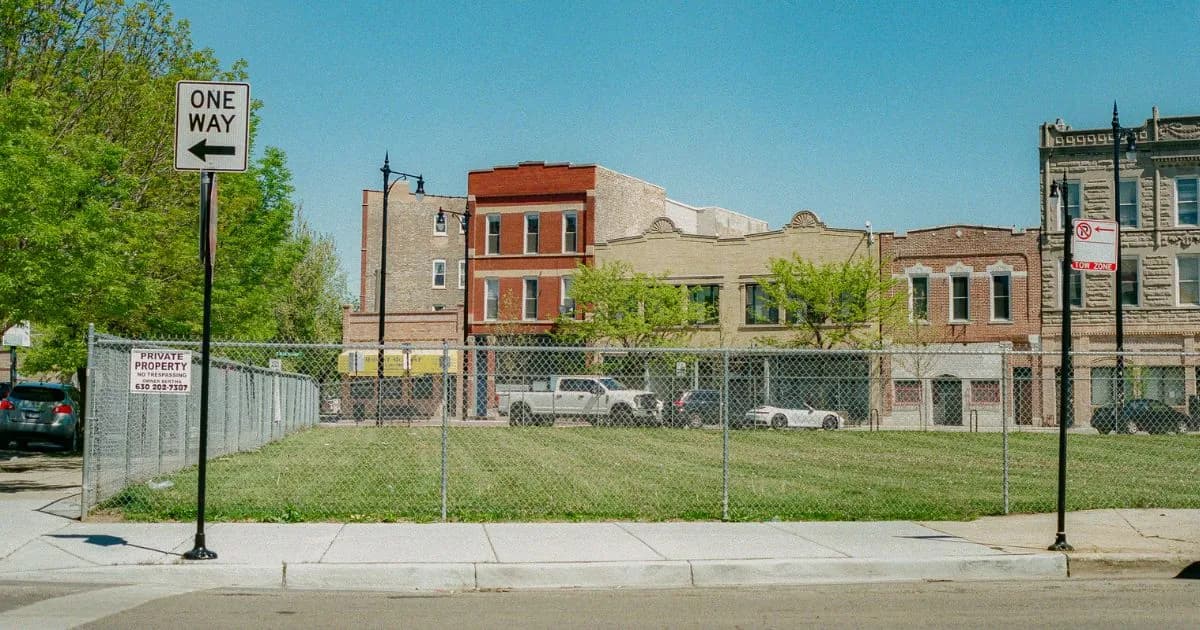
How PUD Zoning Reform Is Creating New Small Multifamily Opportunities
Cities across the country are rewriting zoning rules to allow duplexes, triplexes, and fourplexes on lots that were previously restricted to single-family homes, often through planned unit development ordinances with dramatically lower minimum parcel requirements than in the past. Jurisdictions from British Columbia to Washington State have passed reforms in recent years that reduce minimum lot sizes, remove unit caps, and eliminate parking minimums near transit. For real estate investors, this shift is opening up infill lots that never made economic sense under old zoning rules. This piece covers what a PUD is, what's changing, and how to identify cities making this shift before it becomes common knowledge.
September 15, 2026
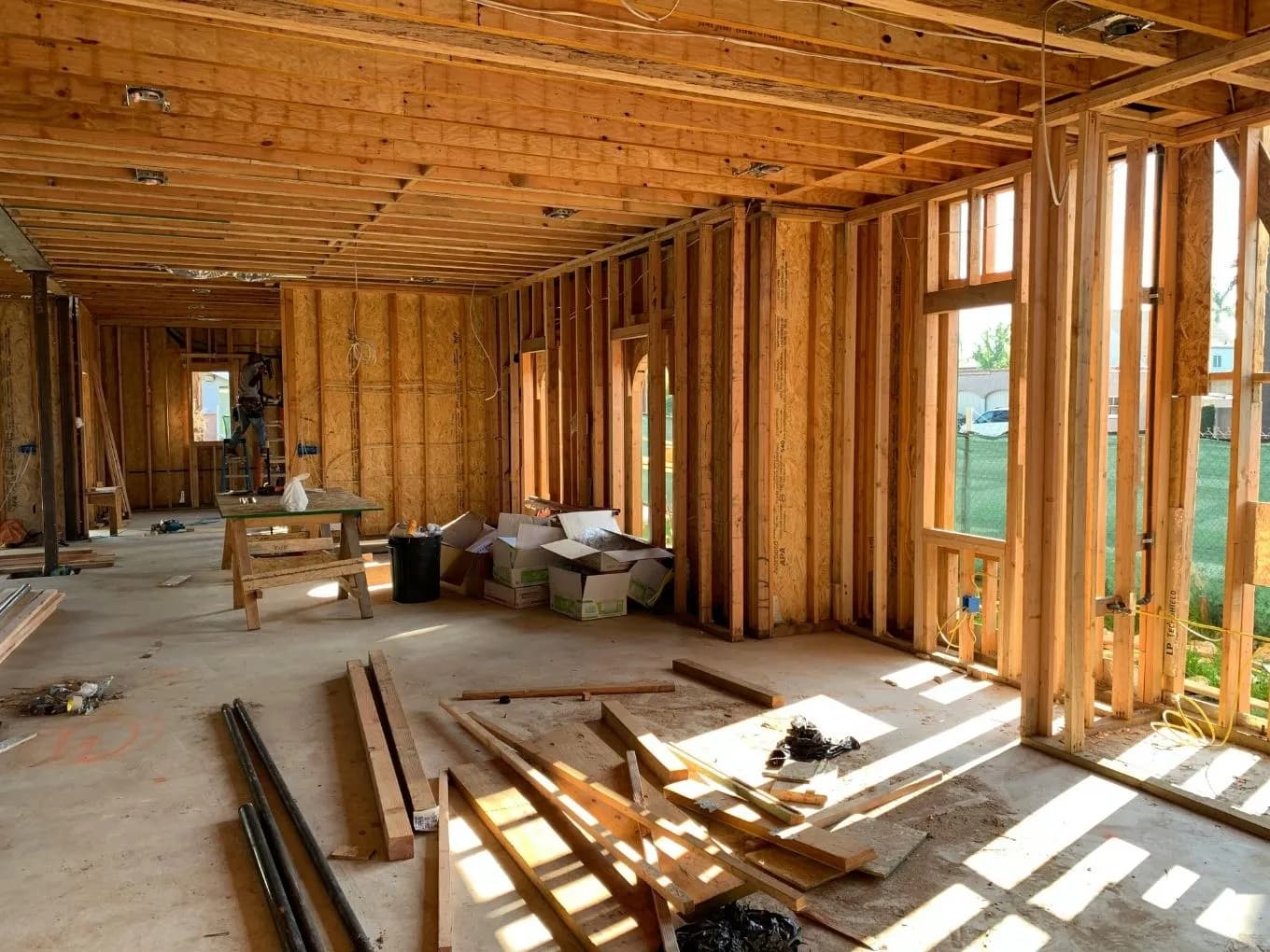
What Is a Construction Loan? How It Works, Lender Types, and Requirements
A construction loan is a short-term loan that funds a building project in stages, or draws, rather than a single lump sum, with interest charged only on funds that have been disbursed. Construction loan lenders range from traditional banks to private lenders that specialize in investor-focused ground-up construction. Requirements typically include a strong credit score, a meaningful down payment or equity contribution, and a detailed, permitted construction plan.
August 10, 2026
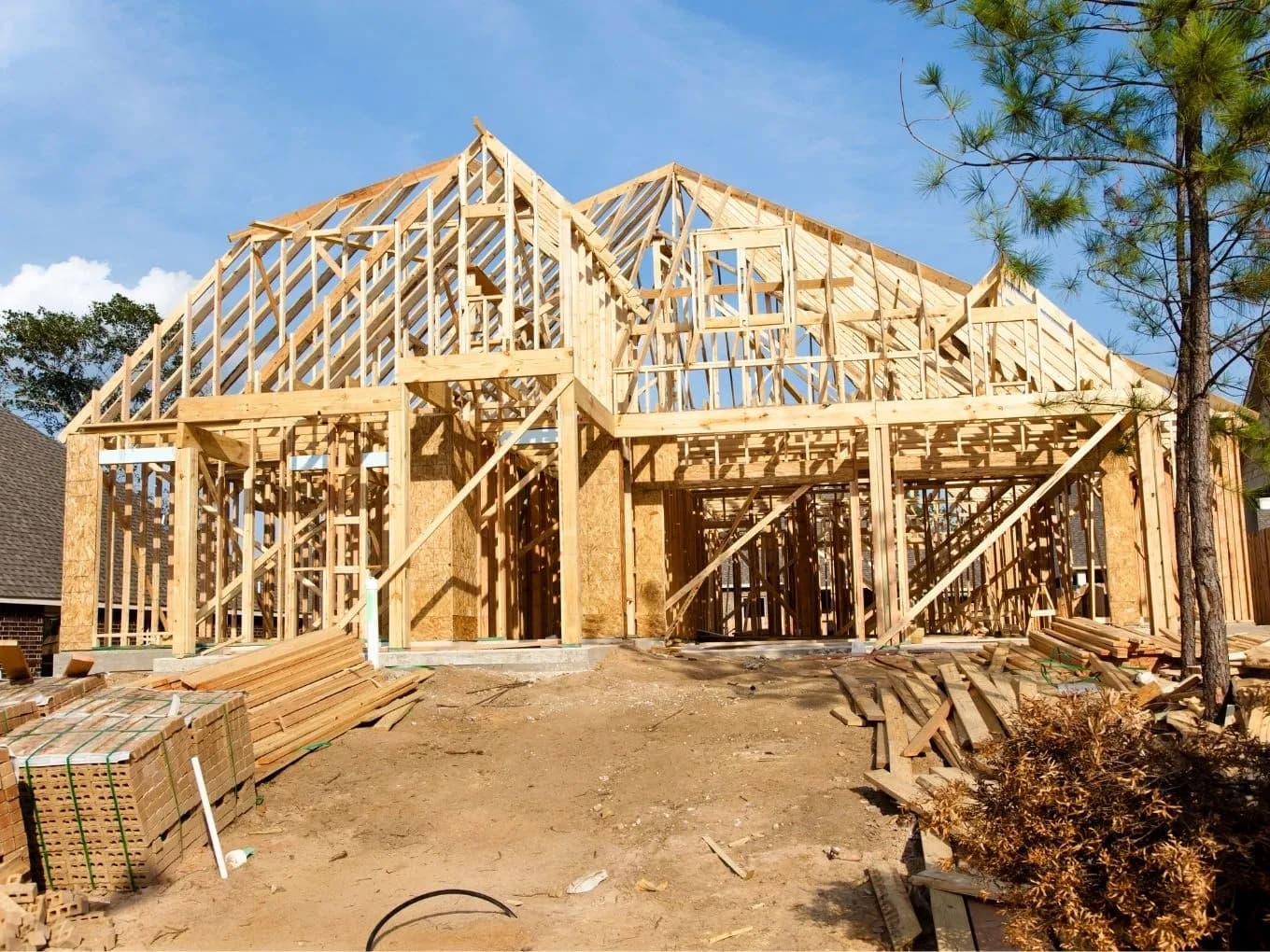
Understanding The Ground-Up Construction Process
Ground-up construction moves through five distinct phases, and each one gets financed differently. This guide walks through underwriting, land acquisition, horizontal development, and vertical construction step by step, showing exactly how Dominion Financial's loan to cost limits and draw schedule fund a project from raw land to payoff.
August 6, 2026