
Out-of-State Real Estate Investing: How to Buy and Manage Rentals From a Distance
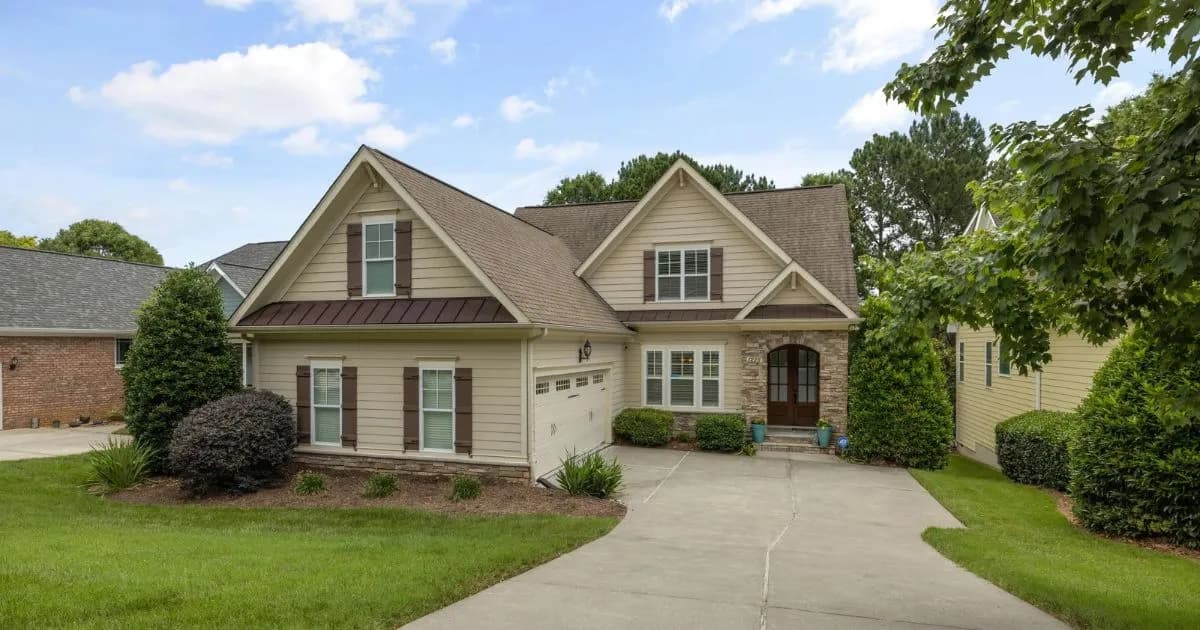
Out-of-state real estate investing is buying and owning rental property in a state other than your own. Investors do it to reach markets where rents cover the mortgage, prices are lower or the landlord climate is better. Success depends on picking the right market and neighborhood, hiring a strong local property manager, financing with lenders who work nationwide and keeping enough reserves to handle problems from a distance.
Key takeaways:
Investors go out of state for better cash flow, lower prices and diversification.
Choose the market on fundamentals, then choose the submarket carefully, since neighborhoods within a city can behave very differently.
The property manager is the single most important hire for a long-distance investor.
National lenders, especially DSCR lenders, are often easier to work with than local banks for out-of-state borrowers.
What is out-of-state real estate investing?
Out-of-state real estate investing, also called long-distance real estate investing, means owning rental property in a market where the investor doesn’t live. Instead of being limited to their home market, investors can buy wherever the numbers make sense.
It’s a common strategy for:
Investors in high-cost markets where home prices are too high for rents to cover a mortgage.
Busy professionals who want rental income without competing for deals locally.
Investors diversifying across more than one local economy.
Investors in landlord-unfriendly states who prefer markets with clearer landlord-tenant rules.
Buying from a distance is common. According to SFR Analytics, out-of-state buyers accounted for 6.53% of U.S. single-family home purchases in Q1 2026, up from 6.28% a year earlier. California was the leading source state for buyers in many major metros. Florida buyers ranked among the top three sources in Detroit, Cleveland and St. Louis, all markets known for lower entry prices and rental demand.
This guide focuses on buy-and-hold rentals. For renovation projects, see our guide to flipping houses out of state.
What are the pros and cons of investing out of state?
Pros | Cons |
|---|---|
Access to markets where rent covers the payment | You can’t easily see the property or the neighborhood |
Lower purchase prices and smaller down payments | Heavy reliance on a property manager and local team |
Diversification across local economies | Local banks may be reluctant to lend to non-residents |
More choice in landlord-tenant laws and taxes | Additional legal, tax and entity filings in another state |
Less competition than in your home market | Problems take longer to spot and fix from a distance |
How do you choose an out-of-state market?
Start with fundamentals, not headlines. A good long-distance rental market typically has:
Population and job growth spread across several employers and industries.
Rents that cover the full payment at today’s interest rates, including taxes, insurance and HOA dues.
Reasonable property taxes and insurance, verified with real quotes.
Landlord-tenant laws you understand, including eviction timelines and security deposit rules.
A deep renter pool at the price point you plan to buy.
Manageable climate and insurance risk, such as hurricane, flood or wildfire exposure.
Many long-distance investors focus on working-class markets in the Midwest and South. These markets often have steadier rents and more predictable appraisals than boom markets that rose sharply during the pandemic and can fall just as hard.
Why does the neighborhood matter as much as the market?
A city’s overall numbers can hide big differences between neighborhoods. In some metros, one submarket may hold value through a downturn while another a few miles away drops 30%.
From a distance, it’s easy to buy the wrong street. Before choosing a neighborhood:
Ask your property manager which areas they will and won’t manage.
Compare rent and vacancy data for the specific ZIP code, not just the metro.
Review recent sales to confirm values are supported by real transactions.
Look at crime maps, school ratings and the share of owner-occupied homes.
Visit at least once before buying, or have a trusted local partner drive the area.
How do you build a team in another state?
Out-of-state investors succeed or fail based on their local team. Build it before you buy.
Property manager. The most important hire. They screen tenants, collect rent, handle maintenance and protect the asset.
Investor-focused real estate agent. Someone who understands rental numbers, not just retail buyers.
Home inspector. An independent inspector you choose, not one recommended by the seller.
Contractor or handyman. For repairs and turnovers, with references and licensing you’ve checked.
Lender. One who lends in the property’s state and works with remote investors.
Insurance agent. To quote landlord coverage accurately before you make an offer.
Real estate attorney or title company. To close the deal and advise on local rules.
Questions to ask a property manager:
How many doors do you manage, and in which neighborhoods?
What are your fees for management, leasing, renewals and maintenance?
How do you screen tenants, and what is your average days on market?
What is your eviction rate and average tenant tenure?
How often will I get statements, and can I see a sample?
How do you approve repairs, and what is the spending limit without my sign-off?
Turnover is one of the biggest expenses in rental investing, so ask how the manager approaches renewals and tenant retention.
What are the best ways to buy rentals out of state?
Turnkey rentals. A turnkey operator sells a property that is already renovated, leased and managed. It’s the most hands-off option, though the operator’s margin is built into the price. See our guide to turnkey rentals.
Occupied rentals. Buying a property with a paying tenant in place produces income on day one and avoids lease-up risk. Verify the lease, rent ledger and deposit before closing.
New construction and build-to-rent. New homes typically need fewer repairs in the early years, which reduces the burden of managing maintenance from far away. See our build-to-rent guide.
Renovation projects (BRRRR). Buying, renovating and refinancing a property can create the most equity, but it’s the hardest strategy to run remotely. Most investors try it out of state only after they have a proven local contractor and project manager.
How do you finance an out-of-state rental property?
Financing is often the first hurdle. Many community banks prefer borrowers in their own market and may ask extra questions, or decline, when an investor lives in another state.
Investors typically choose among:
Conventional investment loans. Available nationwide and often the lowest rate, but they require full income documentation and are capped at 10 financed properties under Fannie Mae guidelines.
DSCR loans. A DSCR loan qualifies on the property’s rental income, allows closing in an LLC and has no standard property limit. National DSCR lenders work in many states, which makes them a natural fit for long-distance investors. See DSCR loan pros and cons for the trade-offs.
Cash, then refinance. Paying cash can win deals, then a DSCR refinance returns capital once the property is leased.
Whatever the loan, keep extra reserves. Remote investors can’t fix a problem themselves, and an appraisal that comes in below the purchase price may require more cash at closing.
What legal and tax steps do out-of-state investors need to take?
Rules vary by state, so confirm the details with a local attorney and CPA. Common steps include:
Entity registration. If you own the property in an LLC formed in your home state, you may need to register it as a foreign LLC in the property’s state.
State income tax filing. Rental income is generally taxable in the state where the property is located, which may require a nonresident return.
Local landlord registration or rental licensing. Some cities require this, along with inspections.
Landlord-tenant compliance, including security deposit limits, required disclosures and notice periods.
Insurance written for a non-owner-occupied rental, plus umbrella coverage.
How do you manage rental property from a distance?
Set clear reporting. Monthly owner statements, a vacancy report and repair logs.
Agree on approval limits. Decide what the manager can spend without calling you.
Use photos and video. Ask for move-in and move-out photos and video walkthroughs of repairs.
Visit periodically. An annual visit helps you see the property, the neighborhood and the manager in person.
Track key numbers. Rent collected, days vacant, turnover cost and maintenance spending by property.
What mistakes do out-of-state investors make?
Picking a market from a list instead of studying the specific neighborhood.
Hiring the cheapest property manager rather than the best one.
Trusting pro forma rent instead of signed leases and local rent data.
Skipping an independent inspection to save time or money.
Underestimating taxes and insurance, which can change after the sale.
Running without reserves to cover vacancies, turnovers and surprises.
Spreading across too many markets before building one strong team.
How Dominion Financial fits in
Out-of-state investors often find that local banks won’t lend outside their market, while national lenders don’t offer the attention a remote investor needs. Dominion Financial offers both. It lends to real estate investors nationwide, licensed or exempt in every state except Nevada, and it runs its lending on direct relationships the way a strong community bank does.
Dominion’s founders are real estate investors who have owned and operated rentals since 2002, so its team understands what it takes to own property from a distance. Its 30-year DSCR rental loans qualify on the property’s rental income, finance up to 80% of value on purchases, allow closing in an LLC and can close in as few as 10 days. They also come with a DSCR price-beat guarantee.
Frequently Asked Questions
Is it a good idea to invest in real estate out of state?
How do I find a property manager out of state?
Can I get a loan for an out-of-state rental property?
Do I need an LLC in the state where my rental property is?
Do I pay taxes in the state where my rental property is located?
Related Posts
View all Rental Loan →
Turnkey Real Estate Investing: How Turnkey Rental Properties Work
A turnkey rental property is a home that a turnkey operator has already bought, renovated, leased and placed with a property manager, then sells to an investor as a ready-to-rent investment. Turnkey investing lets busy professionals and out-of-state investors own rentals without managing renovations or tenants. The trade-off is less control and less built-in equity, since the operator earns its margin on the sale. Investors who verify the operator, order independent inspections and appraisals, underwrite to actual rent and keep cash reserves get the most from turnkey rentals.
November 13, 2026
Rent It or Sell It? When to Convert an Unsold Flip Into a Rental
When a flip stalls in a slow market, investors face a choice: take a price cut or hold the property as a rental. Renting makes sense when the home covers its debt at market rent, the needed price cut wouldn't fix a real flaw, and a DSCR refinance won't trap too much cash. Selling makes sense when the product missed the market, the numbers don't cover, or liquidity is needed now. Holding can also bring long-term capital gains treatment and a future tenant-buyer.
October 27, 2026

How a DSCR Loan in Michigan Can Help You Scale Your Rental Portfolio
Detroit offers some of the most affordable home prices of any major U.S. market alongside a solid rent base, while Grand Rapids delivers improving occupancy and steady rent growth, though Michigan's property tax uncapping and Detroit-area insurance costs require careful underwriting. Dominion Financial's DSCR loan program qualifies borrowers on rental income instead of personal income, backed by a price-beat guarantee, 80% LTV, and closings in as little as 10 days.
September 10, 2026