
Turnkey Real Estate Investing: How Turnkey Rental Properties Work
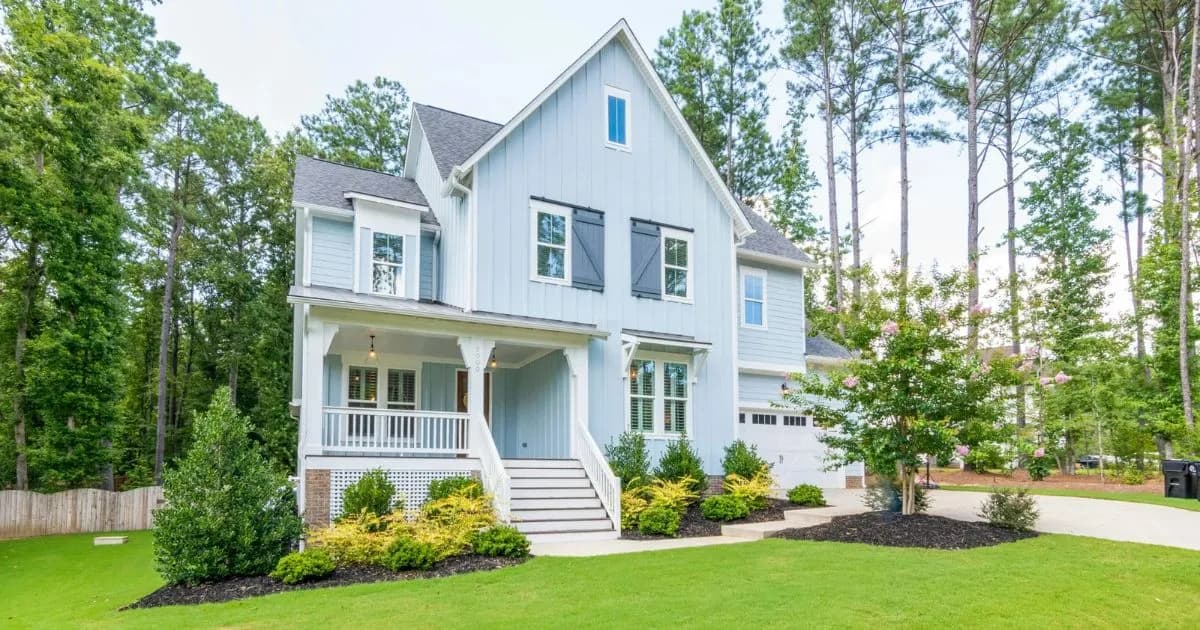
Quick answer: Turnkey real estate investing means buying a rental property that is already renovated, rented and professionally managed. A turnkey operator finds the property, handles the rehab, places a tenant and sells the finished rental to an investor. It’s a hands-off way to own rentals, especially out of state, but buyers pay a premium for that convenience and must vet the operator carefully.
Key takeaways:
A turnkey property is renovated, tenant-ready or tenant-occupied and managed before the investor buys it.
Turnkey works best for busy professionals and out-of-state investors who want rental income without running a rehab.
The operator earns its profit on the sale, so buyers give up some built-in equity in exchange for convenience.
Independent inspections, appraisals and rent checks protect investors from the most common turnkey problems.
What is a turnkey rental property?
A turnkey rental property is a single-family home or small multifamily property that is ready to produce income the day the investor buys it. The term comes from the idea that the buyer only has to “turn the key.”
A typical turnkey property has already been:
Acquired below market value, often as a distressed or dated house.
Renovated to rental standards, including major systems where needed.
Leased to a screened tenant, or prepared for immediate leasing.
Placed with a property manager who handles rent collection, maintenance and tenant issues.
The company that does this work is called a turnkey operator or turnkey provider. Many operators also run an in-house property management company, so the investor buys the house and the management in one transaction.
How does a turnkey real estate deal work?
Most turnkey deals involve four parties, each with a clear role:
The turnkey operator finds the property, buys it, renovates it and markets the finished rental to investors. The operator typically runs two marketing engines at once: one to find houses and one to find buyers.
The investor buys the finished property as a long-term rental. Many turnkey buyers live in another state.
The lender finances the investor’s purchase, either with a short-term loan that is later refinanced or with a long-term rental loan at closing.
The property manager runs the property after closing, often as part of the operator’s company.
The operator’s profit is the spread between its total cost (purchase plus renovation) and the price the investor pays. That spread is the price of convenience. The investor isn’t buying at a deep discount the way a hands-on rehabber might, but they also aren’t managing contractors, permits or a vacant property.
A simple example: An operator buys a dated three-bedroom house for $90,000 and spends $45,000 renovating it. It leases the home for $1,650 a month and sells it to an out-of-state investor for $170,000. The operator earns its margin on the sale. The investor finances the purchase, collects rent from day one and pays the property manager to run it.
Who invests in turnkey rentals?
Turnkey buyers tend to be people with strong income and little free time:
Busy professionals such as physicians, attorneys and tech workers who want real estate in their portfolio without a second job.
Investors in high-cost markets who can’t find cash-flowing rentals near home.
Investors diversifying from stocks who want income and depreciation from a hard asset.
Investors scaling a portfolio who want to add doors without adding renovation projects.
Small investors drive this part of the market. According to Realtor.com, small investors accounted for 66.2% of all investor home purchases in the first half of 2026, their largest share in 15 years. The median investor purchase price was $295,000, about 22% below the market-wide median, which reflects investors’ focus on affordable, rent-ready homes.
For lenders, turnkey buyers with W-2 income can be stronger borrowers than investors whose only income is real estate. Their paychecks provide a second source of repayment if a property sits vacant or needs a costly repair.
What are the pros and cons of turnkey real estate?
Pros | Cons |
|---|---|
Rent can start on day one | The operator’s margin is built into the price |
No renovation management | Less control over rehab quality and tenant selection |
Works for investors anywhere in the country | Hard to verify condition and rents from a distance |
Professional property management in place | Management quality varies widely by operator |
Predictable, repeatable way to add rentals | Appraisals may not support the price |
Access to markets with better rent-to-price ratios | Projected rents can be optimistic |
Turnkey investing trades equity and control for time and convenience. It works well when the operator is strong and the numbers are verified. It can go badly when an investor trusts the operator’s projections without checking them.
Which markets work best for turnkey rentals?
Turnkey operators cluster in markets where home prices are low relative to rents, such as many working-class neighborhoods across the Midwest and South. Memphis, Tennessee, has long been one of the country’s best-known turnkey markets.
Working-class rental markets often hold value better than boom markets. Rents in these neighborhoods tend to be stable, and purchase prices give appraisers clearer comparables. Markets that ran up sharply during the pandemic, by contrast, can swing much harder in both directions.
When evaluating a market, look for:
Steady population and job growth rather than a single dominant employer.
Rents that support the payment at today’s interest rates.
Landlord-tenant laws you understand and are comfortable with.
Property taxes and insurance costs you have verified, not estimated.
A deep pool of renters at the property’s price point.
For a broader look at buying rentals far from home, see our guide to investing out of state.
How do you finance a turnkey rental property?
Investors typically finance turnkey rentals one of three ways.
1. Conventional investment loan. A conventional mortgage can offer the lowest rate for an investor’s first few properties. It requires full income documentation, and Fannie Mae limits borrowers to 10 financed properties when buying an investment property.
2. DSCR loan. A DSCR loan qualifies on the property’s rental income instead of the investor’s personal income. It allows closing in an LLC, has no standard property limit and works well for out-of-state investors building a portfolio. See DSCR loan pros and cons for the trade-offs.
3. Short-term loan, then a DSCR refinance. Some turnkey programs finance the purchase with a short-term bridge loan, often sized to about 70% of the property’s after-repair value. The investor then refinances into a 30-year DSCR loan once the property is leased and seasoned.
Whichever path an investor chooses, the refinance or long-term loan depends on the appraisal. If the appraisal comes in 10% below the purchase price, the investor may need to bring cash to close, even when the property still has equity. Experienced lenders often require borrowers to show $20,000 or more in reserves for exactly this reason.
Investors financing several turnkey homes at once can compare individual loans with a blanket structure in our guide to financing several rentals.
How do you vet a turnkey operator?
The operator is the most important variable in a turnkey deal. Before buying, investors should:
Check the track record. Ask how many homes the operator has renovated and sold, for how long, and in which neighborhoods. Ask for references from investors who have owned their properties for at least two years.
Order an independent inspection. Use an inspector the operator didn’t choose. Confirm the roof, HVAC, plumbing, electrical and foundation, not just cosmetic finishes.
Get an independent view of value. Review recent comparable sales yourself, and expect the lender’s appraisal to be the real test of the price.
Verify rent. Compare the lease to rental listings and data for the neighborhood. Be cautious of rents set above market to make the numbers look better.
Review the tenant file. Ask for the application, screening results and payment history.
Read the management agreement. Know the fees for management, leasing, maintenance markups and lease renewals, and how to cancel.
Ask about warranties. Some operators offer a warranty on renovation work for a set period.
Confirm taxes and insurance. Property taxes may be reassessed after the sale at the new purchase price.
Strong property management matters long after closing. Turnover is one of the biggest costs in rental investing, so ask how the manager handles renewals and tenant retention.
What are the red flags in a turnkey deal?
Pro forma rents instead of signed leases. Projected rent isn’t cash flow.
An operator-selected inspector or appraiser with no option to use your own.
“Guaranteed” rent that depends on the operator staying in business.
Cosmetic-only renovations on an older home with aging systems.
Pressure to close quickly before you finish due diligence.
High tenant or manager turnover in the operator’s existing portfolio.
No references from long-term owners.
How to tell if a turnkey deal is a good investment
Run the numbers yourself, using verified inputs:
DSCR at today’s rate. Divide the actual rent by the full monthly payment, including taxes, insurance and HOA dues. A ratio of 1.20 or higher leaves room for surprises.
Cash flow after all expenses. Subtract management, vacancy, repairs and capital expenditures, not just the mortgage.
Cash-on-cash return. Compare annual cash flow with the cash invested, including the down payment, closing costs and reserves.
Downside cushion. Ask whether the property still covers its debt if rent dips or the home sits vacant for a month or two.
Rent tends to hold up better than home values in a downturn. A turnkey rental bought with conservative leverage and real cash flow can ride out a soft market, while one that only works on projected numbers usually can’t.
How Dominion Financial fits in
Most investors have had to choose between a local lender who knows them and a national lender with scale. Dominion Financial offers both. It lends to real estate investors nationwide, so turnkey buyers can finance properties in the markets that make sense for them, and it runs its lending on direct relationships the way a strong community bank does.
Dominion’s founders are real estate investors who have owned and operated rentals since 2002, so its team understands how turnkey deals work from both sides. Its 30-year DSCR rental loans qualify on the property’s rental income, finance up to 80% of value on purchases and allow closing in an LLC. They come with a DSCR price-beat guarantee.
Frequently Asked Questions
What is a turnkey property?
Is turnkey real estate a good investment?
How do turnkey companies make money?
Can you get a DSCR loan on a turnkey property?
What are the risks of turnkey real estate?
Related Posts
View all Rental Loan →
Out-of-State Real Estate Investing: How to Buy and Manage Rentals From a Distance
Out-of-state real estate investing means buying rental property in a market other than the one where the investor lives, usually to find better rent-to-price ratios, lower entry costs or diversification. It works when investors choose markets on fundamentals, focus on stable submarkets, build a reliable local team led by a strong property manager, and use financing built for remote investors, such as DSCR loans. The biggest risks are poor management, overpaying from a distance and missed legal or tax requirements in the property’s state.
November 13, 2026
Rent It or Sell It? When to Convert an Unsold Flip Into a Rental
When a flip stalls in a slow market, investors face a choice: take a price cut or hold the property as a rental. Renting makes sense when the home covers its debt at market rent, the needed price cut wouldn't fix a real flaw, and a DSCR refinance won't trap too much cash. Selling makes sense when the product missed the market, the numbers don't cover, or liquidity is needed now. Holding can also bring long-term capital gains treatment and a future tenant-buyer.
October 27, 2026

How a DSCR Loan in Michigan Can Help You Scale Your Rental Portfolio
Detroit offers some of the most affordable home prices of any major U.S. market alongside a solid rent base, while Grand Rapids delivers improving occupancy and steady rent growth, though Michigan's property tax uncapping and Detroit-area insurance costs require careful underwriting. Dominion Financial's DSCR loan program qualifies borrowers on rental income instead of personal income, backed by a price-beat guarantee, 80% LTV, and closings in as little as 10 days.
September 10, 2026