
The Rise of Non-Bank Construction Lenders in Today’s Market
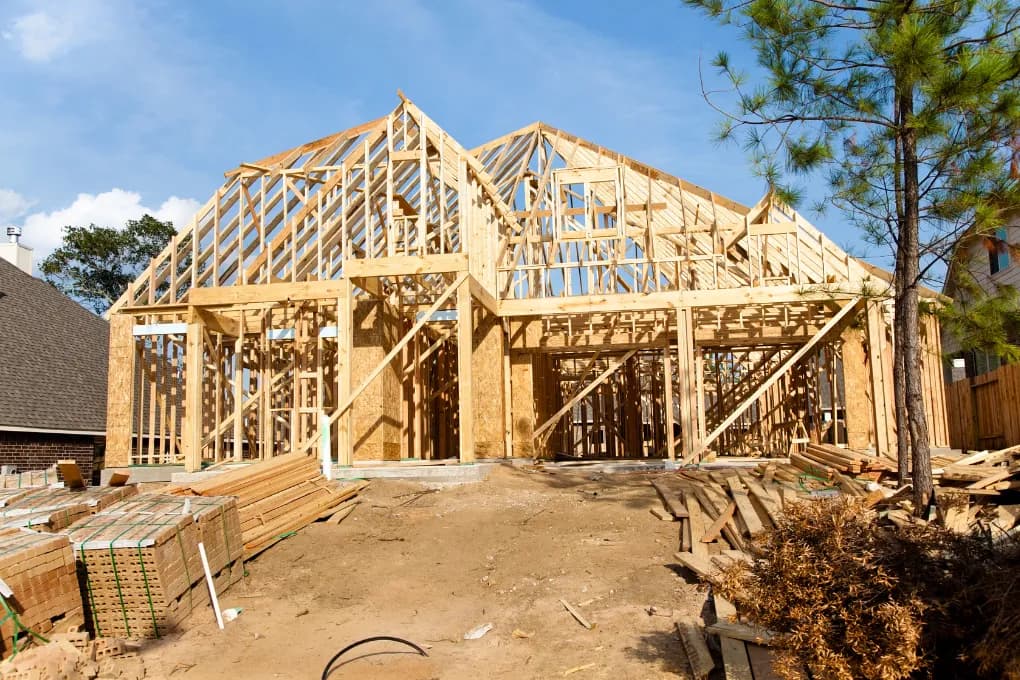
Non-bank construction lenders have become a primary financing option for real estate developers as traditional banks tighten lending requirements. These lenders offer faster approvals, flexible terms, and streamlined draw processes, making them a practical alternative for ground-up construction projects.
This guide explains how non-bank construction lending works, why it’s growing, and how investors can use it effectively.
Why Developers Are Moving Away from Traditional Banks
Bank construction loans have become more restrictive due to increased regulatory pressure and risk exposure in development projects. Developers often face:
- Longer approval timelines
- Stricter underwriting requirements
- Delayed draw schedules
- Higher documentation burdens
These constraints can slow projects and create cash flow issues, especially during active construction phases where timing is critical.
Non-bank lenders address these challenges by prioritizing speed, flexibility, and execution over rigid institutional processes.
What Is a Non-Bank Construction Lender?
A non-bank construction lender is a private or institutional lender that provides financing outside of traditional banking systems. These lenders typically use internal capital or balance sheet lending models, allowing them to:
- Approve loans faster
- Customize loan structures
- Reduce third-party dependencies
- Fund projects more efficiently
This structure is particularly valuable for real estate investors managing multiple projects or tight timelines.
How Non-Bank Construction Loans Work
Non-bank construction loans are designed to fund both land acquisition and vertical construction. While structures vary, most loans include:
Loan Components
- Lot financing – Funding for permitted or unpermitted land
- Construction costs – Capital for labor, materials, and development
- Draw schedule – Funds released in phases based on project progress
Key Advantages
- Faster underwriting timelines
- Flexible credit and experience requirements
- Reduced reliance on external appraisals
- Custom draw structures based on project needs
This model allows developers to maintain momentum without delays tied to traditional bank processes.
Key Benefits of Non-Bank Construction Lending
1. Faster Access to Capital
Non-bank lenders can often underwrite and approve loans in days rather than weeks, helping developers secure deals and begin construction sooner.
2. Flexible Financing Terms
Loan structures are typically more adaptable, with options for:
- Higher loan-to-cost (LTC) ratios
- Financing across single projects or portfolios
- Funding for projects at different development stages
3. Streamlined Draw Process
Access to capital during construction is critical. Non-bank lenders often provide:
- Faster draw turnaround times
- Simplified inspection requirements
- More predictable funding schedules
4. Reduced Friction in Underwriting
By using in-house valuation and decision-making, non-bank lenders eliminate many delays associated with third-party approvals.
Dominion Financial’s Approach to Construction Lending
Dominion Financial operates as a balance sheet lender, allowing for faster decision-making and more consistent execution across projects.
Ground-Up Construction Loan Program
Dominion’s program is designed to support real estate investors from acquisition through completion, offering:
- Financing for both horizontal and vertical construction
- Loan options for individual properties and portfolios
- Flexible draw schedules based on project needs
What Sets Dominion Apart
- In-house underwriting reduces approval timelines
- Fast draw funding helps maintain project momentum
- Flexible lot financing supports projects before full build readiness
- Direct decision-making eliminates loan committee delays
When to Use a Non-Bank Construction Lender
Non-bank construction financing is especially useful when:
- You need to close quickly on a deal
- A project doesn’t meet traditional bank criteria
- You’re managing multiple builds simultaneously
- Timing and cash flow are critical to execution
Developers often use non-bank lenders as either a primary funding source or a strategic complement to bank financing.
Common Risks to Consider
While non-bank lenders offer flexibility, investors should evaluate:
- Loan structure and repayment terms
- Experience requirements
- Project feasibility and exit strategy
The key is aligning financing with your construction timeline and investment goals.
Partnering With Dominion Financial
Non-bank construction lenders are reshaping how real estate projects are financed by prioritizing speed, flexibility, and execution. For developers navigating tighter bank lending standards, these lenders offer a practical path to keep projects moving.
Ready to finance your next project? Explore Dominion Financial’s ground-up construction loan program to see how flexible financing can support your next build.
Frequently Asked Questions
What is the difference between bank and non-bank construction lenders?
Are non-bank construction loans more expensive?
How fast can construction loan draws be funded?
Can you finance both land and construction with a non-bank lender?
Do non-bank lenders require appraisals?
Who should use non-bank construction lenders?
Related Posts
View all Market Insight →
Migration + Demographics: The Real Estate Thesis Supply Data Can't Replace
Migration and demographic trends determine the long-term demand floor for a real estate market, while supply and absorption data explain shorter-term cyclical price and vacancy swings within that market. According to U.S. Census Bureau estimates, 31 states had positive net domestic migration between July 2024 and June 2025, led by North Carolina (84,000+ net arrivals), Texas (67,300), South Carolina (66,600), and Tennessee (42,000+). Florida's net domestic migration dropped sharply to 22,517 in 2025, down from 310,892 in 2022, reflecting rising property taxes, insurance costs, and home prices eroding its pandemic-era affordability advantage. Meanwhile, the Midwest posted positive net domestic migration for the first time this decade. Investors should evaluate both migration trends and current supply/absorption conditions together, since a market can have strong migration and still be temporarily oversupplied, or weak migration and still be tight due to limited new construction.
October 19, 2026

Why "Normalized" Rates Don't Mean a Normal Housing Market
As of September 2026, the 10-year Treasury yield (near 4.9-5%) and 30-year mortgage rates (around 6.67-6.76%) have returned to ranges considered historically normal by pre-2010 standards. Despite this, U.S. existing-home sales remain historically weak, falling to a seasonally adjusted annual rate of 3.98 million in August 2026, with months' supply climbing to 4.9, the highest level in over a decade, according to the National Association of Realtors. The gap between "normal" rates and a still-frozen transaction market is driven primarily by the mortgage rate lock-in effect: homeowners who bought or refinanced at 2.5-3.5% during 2020-2021 face a strong financial disincentive to sell, since moving means giving up that rate for a new mortgage well above 6%. This lock-in effect unwinds gradually, driven by individual life events rather than rate changes, meaning transaction volume may stay subdued even if rates hold steady or ease modestly.
October 12, 2026

What the 2021-2022 Buying Spree Got Wrong (And Replacement Cost Would Have Caught)
Institutional real estate investors who bought heavily in 2021-2022 often underwrote deals using IRR models and compressed cap rates that assumed cheap refinancing and aggressive rent growth would continue indefinitely. When interest rates rose and rent growth slowed, those assumptions broke down, and many of the same buyers became net sellers. Replacement cost, the cost to build a comparable property today, would have flagged those deals as overpriced regardless of interest rate assumptions, since it depends only on current land and construction costs rather than forecasts. As of 2024, construction costs made up a record 64.4% of a new home's average sales price in the U.S., according to the National Association of Home Builders, making replacement cost an increasingly useful underwriting benchmark for investors in 2026.
October 5, 2026