
White House Targets Housing Regulations in New Executive Order: Implications for Real Estate Investors
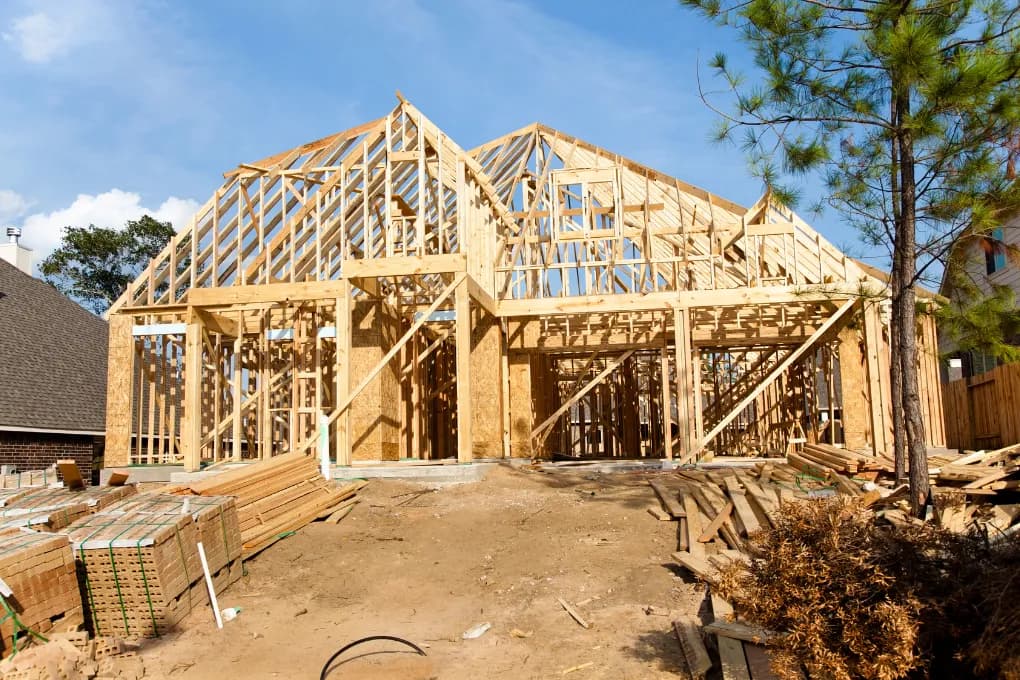
On March 13, 2026, the White House signed an executive order titled “Removing Regulatory Barriers to Affordable Home Construction.” The objective is clear: make it easier, faster, and more cost-effective to build homes in the U.S.
For real estate investors, this could have meaningful implications across fix & flip, rental, and ground-up development strategies.
The Focus: Cutting Red Tape Across Housing Development
At its core, the order targets the regulations that slow housing production. Federal agencies have been directed to review and potentially revise rules tied to environmental permitting (including stormwater, wetlands, and Clean Water Act requirements), energy efficiency and water-use standards, federal housing and lending programs, and permitting timelines.
The goal is simple: reduce delays and lower the costs that often stall or prevent projects from moving forward.
What Could Change for Investors
If these reforms are implemented effectively, investors could see tangible benefits.
Faster permitting and streamlined environmental reviews may shorten project timelines, which is especially valuable for fix & flip investors managing holding costs. Lower regulatory burdens could also reduce construction expenses by easing certain energy and building requirements, improving deal margins.
The order may also expand where investors can build. Encouraging development in suburban and exurban markets, it opens the door to new opportunities that were previously more difficult to pursue. At the same time, fewer restrictions on manufactured and modular housing could make these faster, more scalable construction methods increasingly attractive.
New Pressure on State and Local Governments
Beyond federal changes, the order puts indirect pressure on state and local governments. The Department of Housing and Urban Development (HUD) has been tasked with developing best practices that include capping permit timelines and fees, allowing third-party inspections, reducing restrictive building codes, and easing limitations on new development.
While these changes aren’t mandatory, they could influence how quickly deals move at the local level if adopted.
What Investors Should Watch
This policy shift won’t happen overnight. The real impact will depend on how aggressively federal agencies revise regulations, whether states and municipalities adopt the recommended changes, and how quickly those changes translate into actual project timelines.
Still, the direction is clear: the federal government is prioritizing faster housing development.
The Bottom Line
For real estate investors, this executive order signals a potential shift toward faster deal execution, lower development friction, and expanded opportunities in new markets. Those who are positioned to move quickly could benefit the most.
No matter how the regulatory landscape evolves, speed and certainty remain critical. Dominion Financial provides fast, reliable financing for real estate investors—so you can act when the opportunity is there.
Frequently Asked Questions
What does the 2026 executive order on housing regulations mean for real estate investors?
How could deregulation impact real estate development timelines in 2026?
How might this executive order affect local housing markets?
Does the executive order make it easier to build in suburban or exurban areas?
What should real estate investors watch as these housing regulation changes roll out?
Related Posts
View all Market Insight →
Migration + Demographics: The Real Estate Thesis Supply Data Can't Replace
Migration and demographic trends determine the long-term demand floor for a real estate market, while supply and absorption data explain shorter-term cyclical price and vacancy swings within that market. According to U.S. Census Bureau estimates, 31 states had positive net domestic migration between July 2024 and June 2025, led by North Carolina (84,000+ net arrivals), Texas (67,300), South Carolina (66,600), and Tennessee (42,000+). Florida's net domestic migration dropped sharply to 22,517 in 2025, down from 310,892 in 2022, reflecting rising property taxes, insurance costs, and home prices eroding its pandemic-era affordability advantage. Meanwhile, the Midwest posted positive net domestic migration for the first time this decade. Investors should evaluate both migration trends and current supply/absorption conditions together, since a market can have strong migration and still be temporarily oversupplied, or weak migration and still be tight due to limited new construction.
October 19, 2026

Why "Normalized" Rates Don't Mean a Normal Housing Market
As of September 2026, the 10-year Treasury yield (near 4.9-5%) and 30-year mortgage rates (around 6.67-6.76%) have returned to ranges considered historically normal by pre-2010 standards. Despite this, U.S. existing-home sales remain historically weak, falling to a seasonally adjusted annual rate of 3.98 million in August 2026, with months' supply climbing to 4.9, the highest level in over a decade, according to the National Association of Realtors. The gap between "normal" rates and a still-frozen transaction market is driven primarily by the mortgage rate lock-in effect: homeowners who bought or refinanced at 2.5-3.5% during 2020-2021 face a strong financial disincentive to sell, since moving means giving up that rate for a new mortgage well above 6%. This lock-in effect unwinds gradually, driven by individual life events rather than rate changes, meaning transaction volume may stay subdued even if rates hold steady or ease modestly.
October 12, 2026

What the 2021-2022 Buying Spree Got Wrong (And Replacement Cost Would Have Caught)
Institutional real estate investors who bought heavily in 2021-2022 often underwrote deals using IRR models and compressed cap rates that assumed cheap refinancing and aggressive rent growth would continue indefinitely. When interest rates rose and rent growth slowed, those assumptions broke down, and many of the same buyers became net sellers. Replacement cost, the cost to build a comparable property today, would have flagged those deals as overpriced regardless of interest rate assumptions, since it depends only on current land and construction costs rather than forecasts. As of 2024, construction costs made up a record 64.4% of a new home's average sales price in the U.S., according to the National Association of Home Builders, making replacement cost an increasingly useful underwriting benchmark for investors in 2026.
October 5, 2026