
How a Fix and Flip Loan in Illinois Can Help You Win More Deals
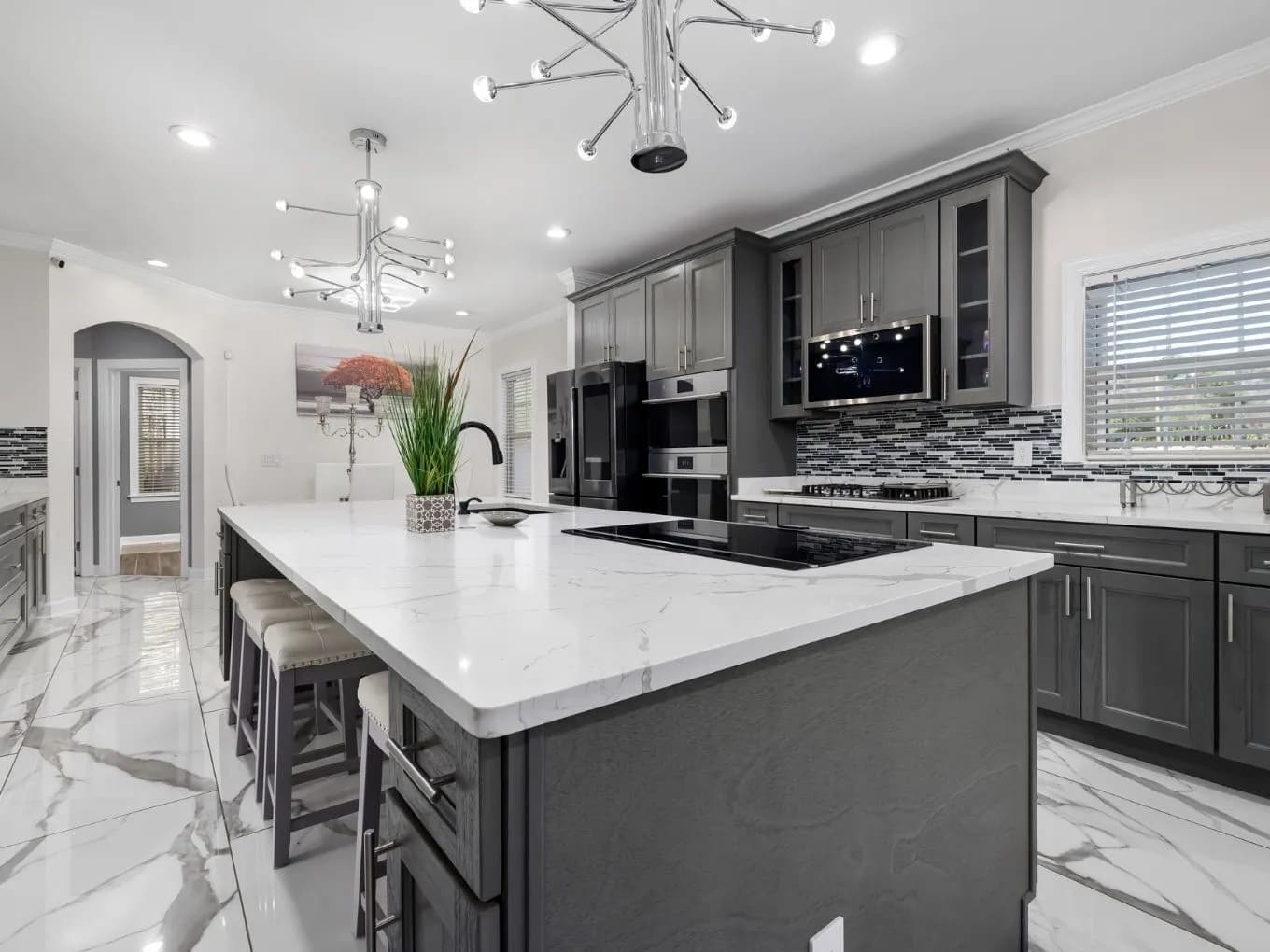
Chicago's fix and flip landscape has gotten more competitive when it comes to cost, and investors are adjusting their strategies accordingly. Higher purchase prices, elevated renovation costs, and affordability challenges for homebuyers have made it harder to hit the margins flippers enjoyed in previous years, with median home prices reaching roughly $420,000 as of May 2026.
For investors who stick with flipping, that squeeze puts even more weight on controlling financing costs and moving efficiently from acquisition to resale.
What Is a Fix and Flip Loan?
A fix and flip loan is short-term financing built to cover both the purchase and the rehab of a distressed or undervalued property. Rather than underwriting based solely on personal income, the loan is structured around the deal itself, the purchase price, the renovation budget, and the after-repair value. That structure lets you move as fast as the deal requires, then exit through a sale or a refinance once the work is done.
Why Fix and Flip Loans Work in Illinois
Illinois still gives investors real reasons for confidence despite tighter margins. The state's diverse economy has surpassed the $1 trillion GDP mark, anchored by Chicago's role in finance, logistics, healthcare, manufacturing, and a growing tech sector, and population growth has turned positive again after an early 2020s dip, with the Chicago metro adding roughly 71,000 residents between 2023 and 2024. That kind of demand base keeps renovated homes moving, even in a tighter cost environment.
Beyond Chicago, Rockford and Naperville present their own opportunities as suburban markets with different demand cycles than the urban core, giving investors alternatives when city pricing gets too tight to pencil. Chicago rents climbing roughly 6.3% year-over-year also strengthens the fallback option of holding a renovated property as a rental if the sale market softens mid-project.
That combination, a strong underlying economy paired with real cost pressure on margins, means Illinois rewards investors who control financing costs as tightly as they control renovation budgets.
Dominion Financial: 100% Financing With No Appraisal
Dominion Financial's fix and flip loan program is built to remove the delays that cost investors deals. We fund up to 100% of the purchase price and up to 100% of the rehab budget, with loan size capped at 70% of the after-repair value, whichever number is lower. There is no appraisal required, which means no waiting on a third-party scheduling delay to hold up your closing.
Here is what that looks like in practice for an Illinois flip:
Closings in as little as 48 hours
Streamlined draw process to keep your renovation on schedule
No appraisal required at any stage
Option to close with no upfront origination points
For a full breakdown of how margins have tightened industry-wide and why loan structure matters as much as the headline rate, our Fix and Flip Loan Rates in 2026 breakdown covers the current numbers in detail.
Built by Investors, for Investors
Dominion Financial was founded by real estate investors, so our underwriting reflects how flips actually get done rather than how they look on paper. We know a delayed draw can stall a renovation crew, and in a margin environment as tight as Illinois's has become, every extra day of holding costs eats directly into a deal that was already tighter than it used to be.
Whether you are bidding on a distressed property in Chicago, renovating a home in Naperville, or working a value-add deal in Rockford, Dominion Financial's fix and flip loan program is structured to keep your capital moving as fast as your next deal requires.
Get your fix and flip quote today!
Frequently Asked Questions
What is a fix and flip loan and how does it work in Illinois?
How much can I finance with a fix and flip loan in Illinois?
Why do fix and flip loans work well for Illinois real estate?
How fast can I close on a fix and flip loan?
Do I need an appraisal to qualify for a fix and flip loan?
Related Posts
View all Fix & Flip →
How a Fix and Flip Loan in Idaho Can Help You Win More Deals
Boise's competitive, fast-moving market rewards fix and flip investors who can lock up a deal quickly across the Treasure Valley's many submarkets. Dominion Financial's fix and flip loan program offers 100% financing on purchase and rehab, no appraisal requirement, and closings in as little as 48 hours, giving Idaho investors the speed and certainty to win more deals.
August 27, 2026
How a Fix and Flip Loan in Hawaii Can Help You Win More Deals
Hawaii's land-constrained market rewards fix and flip investors who can move fast, even as inventory loosens modestly and Maui sees a price correction. Dominion Financial's fix and flip loan program offers 100% financing on purchase and rehab, no appraisal requirement, and closings in as little as 48 hours, giving Hawaii investors the speed and certainty to win more deals.
August 27, 2026