
Renovate or Sell As-Is? Rethinking Flip Strategy in a Softening Market
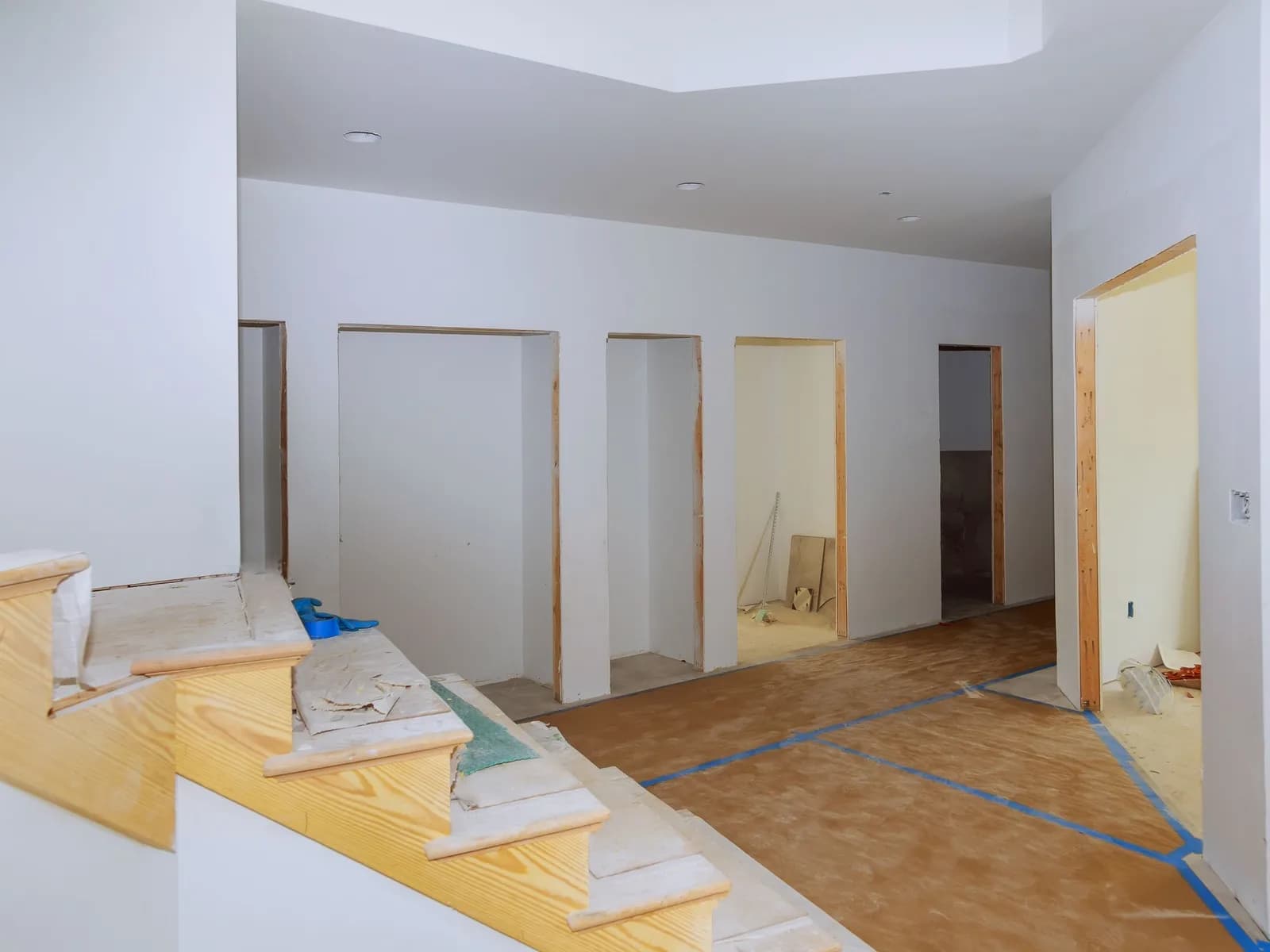
There's a long-standing instinct in the fix-and-flip business: when in doubt, renovate more. A fuller renovation opens the property up to a wider pool of buyers, reduces the odds of a slow sale, and gives an investor more control over the outcome.
For years, that instinct was reinforced by a market that made mistakes cheap. If a renovation ran long or a budget crept up, rising prices usually covered the difference by the time the property hit the market.
That forgiveness is gone for now. Typical gross ROI on flips has settled around 25%, the lowest range since 2008, according to ATTOM and Backflip's Q1 2026 fix-and-flip analysis, though the quarter did mark the first increase in gross ROI in seven consecutive quarters. With margins this tight, the decision to fully renovate versus sell as-is deserves more scrutiny than habit alone.
The Case for Full Renovation
The argument for renovating fully is real, not just a rule of thumb. A completed renovation appeals to owner-occupant buyers who can't or won't take on renovation work themselves, which widens the buyer pool considerably compared to marketing a property as a fixer-upper. It also raises the ceiling on sale price: kitchen remodels can return 75% to 100% of their cost, bathroom additions 60% to 85%, and bedroom additions 50% to 80%. And a fully renovated property is less likely to trigger financing issues during a buyer's appraisal or inspection, which reduces the odds of a deal falling apart late in the process.
In a market where prices are still climbing, those benefits are close to free. The extra weeks of renovation time get absorbed by appreciation, and a wider buyer pool just means the property sells faster at a higher number. The de-risking argument works because the market itself is doing some of the risk absorption.
The Real Cost When the Market Isn't Cooperating
The problem shows up when appreciation stalls or reverses. The single biggest profitability risk in the current environment is scope creep combined with extended carry time, according to Conventus's 2026 fix-and-flip outlook. A renovation that opens walls and uncovers deferred maintenance, hits a permitting delay, or runs into contractor scheduling problems can add two to four months of carrying cost, and in the current rate environment, that alone can erase a deal's entire margin.
That risk compounds because acquisition costs, rehab expenses, and carrying costs have all risen at the same time gross returns have compressed, according to the same analysis. A renovation that would have been a rounding error in a rising market can now be the difference between a profitable flip and a break-even one.
Extending scope doesn't just cost the direct dollars spent on upgrades; it extends the window of exposure to a market that might move against you before the property sells.
A Framework for Matching Scope to the Market
The decision isn't full renovation versus doing nothing. It's matching the level of investment to what a specific submarket will actually pay for, and being honest about the areas where extra scope doesn't move the needle.
Start with the comparable properties, not the property in front of you. If the buyer pool in that specific radius and price point is dominated by move-in-ready renovations, an as-is or lightly updated sale is likely to sit and eventually take a price cut anyway, making the case for a fuller renovation. If the buyer pool includes a meaningful share of value-conscious or investor buyers willing to do their own updates, a lighter scope (cosmetic repairs, safety and mechanical fixes, and stopping there) can sell just as fast without the added carry risk.
Underwrite the timeline separately from the budget. Investors generating consistent returns right now are doing so through tighter ARV underwriting, conservative scope classification, and faster renovation timelines, with a recommended contingency of 15% to 20% built into every rehab budget before closing, according to Conventus's analysis.
If a project's realistic timeline stretches past 90 days once contingency is factored in, that carrying cost needs to be modeled explicitly against the expected sale price, not assumed away.
Treat unnecessary scope as a market-risk decision, not a value decision. The question isn't only "will this upgrade pay for itself?" It's "does taking on this additional scope meaningfully change my odds of a fast, clean sale in this specific submarket, and is that improvement worth the extra weeks of exposure if the market moves against me in the meantime?"
In a market where appreciation can no longer be counted on to cover for a slow decision, that second question deserves as much weight as the first.
Frequently Asked Questions
What is scope creep in a fix-and-flip project?
What is the average ROI on a house flip in 2026?
Which renovations have the best return on investment?
How much contingency should be built into a flip renovation budget?
When does it make more sense to sell a flip as-is instead of fully renovating?
Related Posts
View all Fix Flip Loan →
How a Fix and Flip Loan in Michigan Can Help You Win More Deals
Michigan's affordable entry prices and city-by-city variety, from Detroit's redevelopment momentum to Grand Rapids' steady demand, continue to support solid margins for fix and flip investors, though property tax uncapping requires careful holding-cost underwriting. Dominion Financial's fix and flip loan program offers 100% financing on purchase and rehab, no appraisal requirement, and closings in as little as 48 hours, giving Michigan investors the speed and certainty to win more deals.
September 9, 2026
How a Fix and Flip Loan in Massachusetts Can Help You Win More Deals
Massachusetts delivers some of the strongest fix and flip margins in the country, led by Greater Boston's $184,000 average gross profit, though high entry costs require investors to finance efficiently. Dominion Financial's fix and flip loan program offers 100% financing on purchase and rehab, no appraisal requirement, and closings in as little as 48 hours, giving Massachusetts investors the speed and capital to win more deals.
September 4, 2026

How a Fix and Flip Loan in Maine Can Help You Win More Deals
Maine's flipping margins have tightened along with the rest of the country, but tight inventory keeps a floor under resale prices, especially in Greater Portland. Dominion Financial's fix and flip loan program offers 100% financing on purchase and rehab, no appraisal requirement, and closings in as little as 48 hours, giving Maine investors the speed and certainty to win more deals.
September 4, 2026