
How to Flip a House: A Step-by-Step Guide
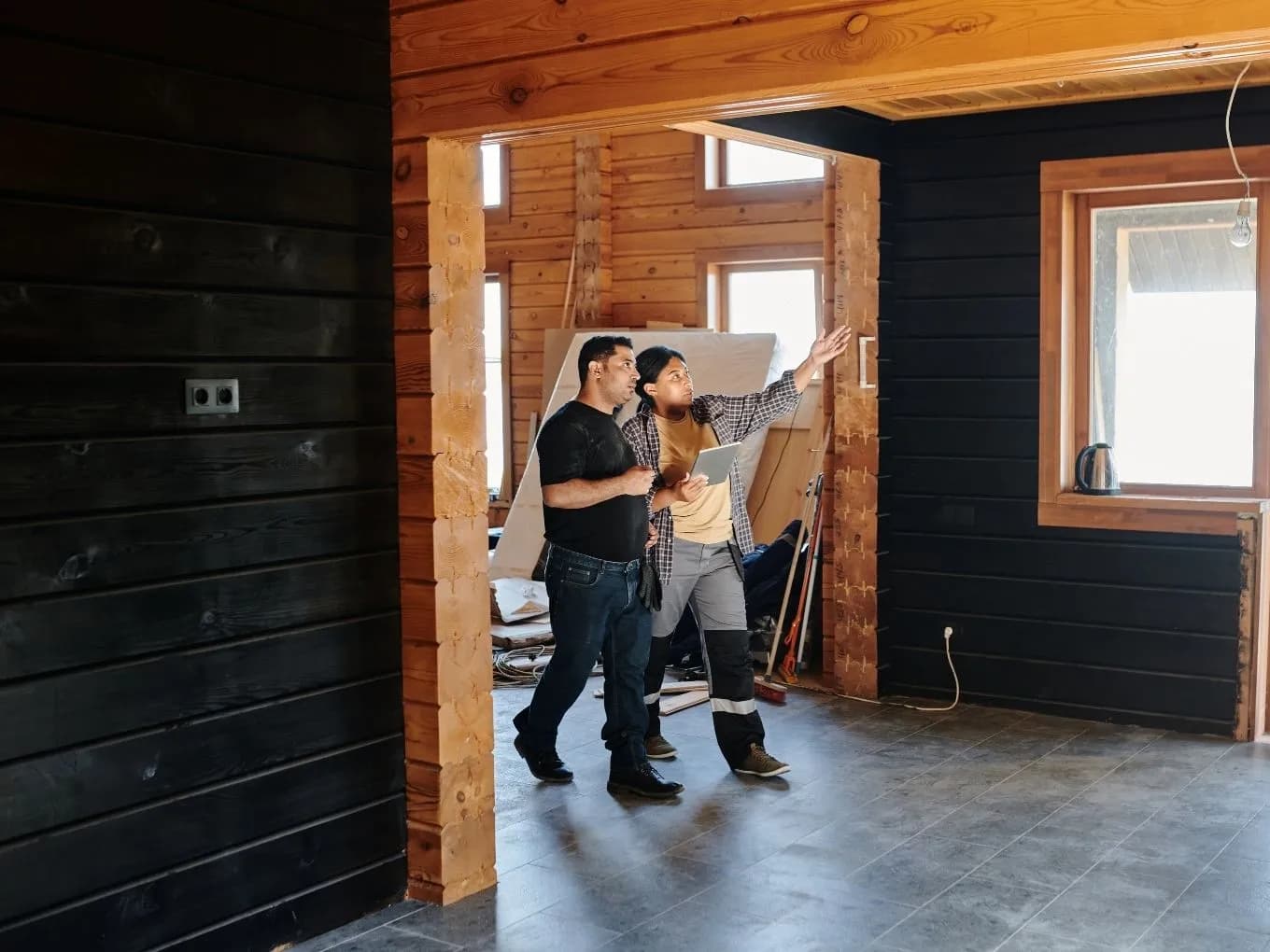
House flipping looks simple from the outside: buy low, renovate, sell high. In practice, the investors who consistently profit from flipping are the ones who treat it as a repeatable process with firm numbers at every stage, not a one-off bet on a promising-looking property.
Here's how to flip a house, step by step, and where new investors most often go wrong.
What Does It Mean to Flip a House?
Flipping a house means purchasing a property, typically one that's undervalued or in need of renovation, improving it, and reselling it for a profit within a relatively short timeframe, often several months to about a year.
Unlike buy-and-hold rental investing, a flip's return comes from the sale itself rather than ongoing rental income, which makes accurate underwriting and disciplined cost control essential to the strategy working at all.
Step 1: Line Up Financing Before You Shop for a Property
One of the most common mistakes new flippers make is searching for a property before confirming how they'll pay for it. Financing, typically a short-term fix-and-flip loan, should be lined up in advance so you can move quickly once you find a deal that meets your criteria.
Step 2: Analyze Deals Using the 70% Rule
Before making an offer, flippers commonly use the 70% rule to determine a maximum purchase price. According to Rocket Mortgage, the formula is:
Maximum Offer = (After Repair Value × 0.70) − Estimated Repair Costs
For example, if a property's after-repair value (ARV) is $300,000 and it needs $30,000 in repairs, the 70% rule suggests a maximum offer of $180,000 ($300,000 × 0.70, minus $30,000). The 30% discount off ARV is meant to cover profit margin and fixed costs like financing, holding expenses, and selling costs, not just the renovation itself.
This rule is a guideline, not a hard cap. In competitive markets, some investors offer closer to 75% to 80% of ARV to win deals, accepting a thinner margin in exchange for volume or a stronger location.
Step 3: Build Your Team
A flip's timeline and budget depend heavily on the people executing it. Before making an offer, it helps to have a real estate agent experienced with investment sales, a licensed and available contractor with a track record on similar projects, and, ideally, references or recent job sites you can visit to confirm quality and pace of work. Vetting this team before you're under a purchase contract, rather than scrambling afterward, protects your timeline once the clock starts.
Step 4: Purchase and Fund the Property
Once you've identified a property that meets your 70% rule threshold, move through due diligence (inspection, title, and a detailed scope of work with your contractor) and close using your financing.
Fix-and-flip loans are typically structured to fund both the purchase and the renovation in draws, releasing renovation funds as work is completed and verified, similar to how a construction loan operates.
Step 5: Renovate on Budget and on Schedule
Renovation is where flips most often lose money. A detailed scope of work, agreed upon with your contractor before renovation begins, keeps the project anchored to a specific budget and timeline. It's worth building in a contingency, often cited around 10% to 15% of the renovation budget, for unexpected issues like hidden structural, electrical, or plumbing problems that surface once work begins.
Because buyer demand in most markets favors move-in-ready properties, prioritizing renovations that directly affect resale value, kitchens, bathrooms, flooring, and curb appeal, tends to produce a better return than lower-visibility upgrades.
Step 6: List and Sell (or Refinance to Rent)
Once renovation is complete, most flips go straight to market with an experienced listing agent. Be prepared for typical selling costs, including agent commissions (commonly 5% to 6% of the sale price), title insurance, transfer taxes, and any negotiated buyer concessions.
Some investors choose to convert a flip into a rental instead of selling, refinancing the short-term fix-and-flip loan into a long-term DSCR loan once the property is renovated and rented. This is the core of the BRRRR (Buy, Rehab, Rent, Refinance, Repeat) strategy, and it's worth deciding which exit you're planning for before renovation even begins, since it can affect which finishes and upgrades make sense.
Common Mistakes First-Time Flippers Make
Underestimating renovation costs by using best-case pricing instead of building in a contingency for the unexpected.
Skipping a firm ARV estimate and relying on optimistic assumptions about the eventual sale price.
Not accounting for holding costs (financing, taxes, insurance, utilities) during renovation and the time the property sits on the market.
Renovating past what the neighborhood supports, spending on upgrades that won't be recouped at resale in that specific market.
Starting the search for financing after already finding a property, which slows down the ability to move on a good deal.
How to Finance a House Flip
Most flips are financed through a short-term fix-and-flip or hard money loan rather than a conventional mortgage, since conventional financing isn't designed for a short hold period or a property that needs significant renovation before it can be occupied.
Fix-and-flip loans are typically underwritten around the deal itself, the purchase price, renovation budget, and projected ARV, rather than the borrower's personal income, and they release renovation funds in draws as work is completed.
According to ATTOM Data, national gross flipping ROI has averaged around 25% in recent quarters, with typical gross profit near $66,000 per flip before financing, holding, and selling costs are deducted. That gap between gross and net profit is exactly why disciplined underwriting on the front end and tight cost control during renovation matter as much as finding the right property in the first place.
The Bottom Line
Flipping a house successfully comes down to treating it as a process, not a single bet: line up financing before you shop, use the 70% rule to avoid overpaying, build a reliable team, and budget conservatively for renovation and holding costs. With national gross margins hovering around 25%, the difference between a profitable flip and a break-even one usually comes down to how disciplined the underwriting was before the purchase, not how the market performed after it.
If you've found a property that fits your numbers, Dominion Financial's fix-and-flip loans are built to fund both the purchase and renovation, with draw schedules designed to keep your project moving.
Frequently Asked Questions
How do I start flipping houses with no experience?
What is the 70% rule in house flipping?
How much money do you need to flip a house?
How long does it take to flip a house?
Can you flip a house without doing the renovation yourself?
Related Posts
View all Fix Flip Loan →
How a Fix and Flip Loan in Michigan Can Help You Win More Deals
Michigan's affordable entry prices and city-by-city variety, from Detroit's redevelopment momentum to Grand Rapids' steady demand, continue to support solid margins for fix and flip investors, though property tax uncapping requires careful holding-cost underwriting. Dominion Financial's fix and flip loan program offers 100% financing on purchase and rehab, no appraisal requirement, and closings in as little as 48 hours, giving Michigan investors the speed and certainty to win more deals.
September 9, 2026
How a Fix and Flip Loan in Massachusetts Can Help You Win More Deals
Massachusetts delivers some of the strongest fix and flip margins in the country, led by Greater Boston's $184,000 average gross profit, though high entry costs require investors to finance efficiently. Dominion Financial's fix and flip loan program offers 100% financing on purchase and rehab, no appraisal requirement, and closings in as little as 48 hours, giving Massachusetts investors the speed and capital to win more deals.
September 4, 2026

How a Fix and Flip Loan in Maine Can Help You Win More Deals
Maine's flipping margins have tightened along with the rest of the country, but tight inventory keeps a floor under resale prices, especially in Greater Portland. Dominion Financial's fix and flip loan program offers 100% financing on purchase and rehab, no appraisal requirement, and closings in as little as 48 hours, giving Maine investors the speed and certainty to win more deals.
September 4, 2026