
How a Fix and Flip Loan in California Can Help You Win More Deals
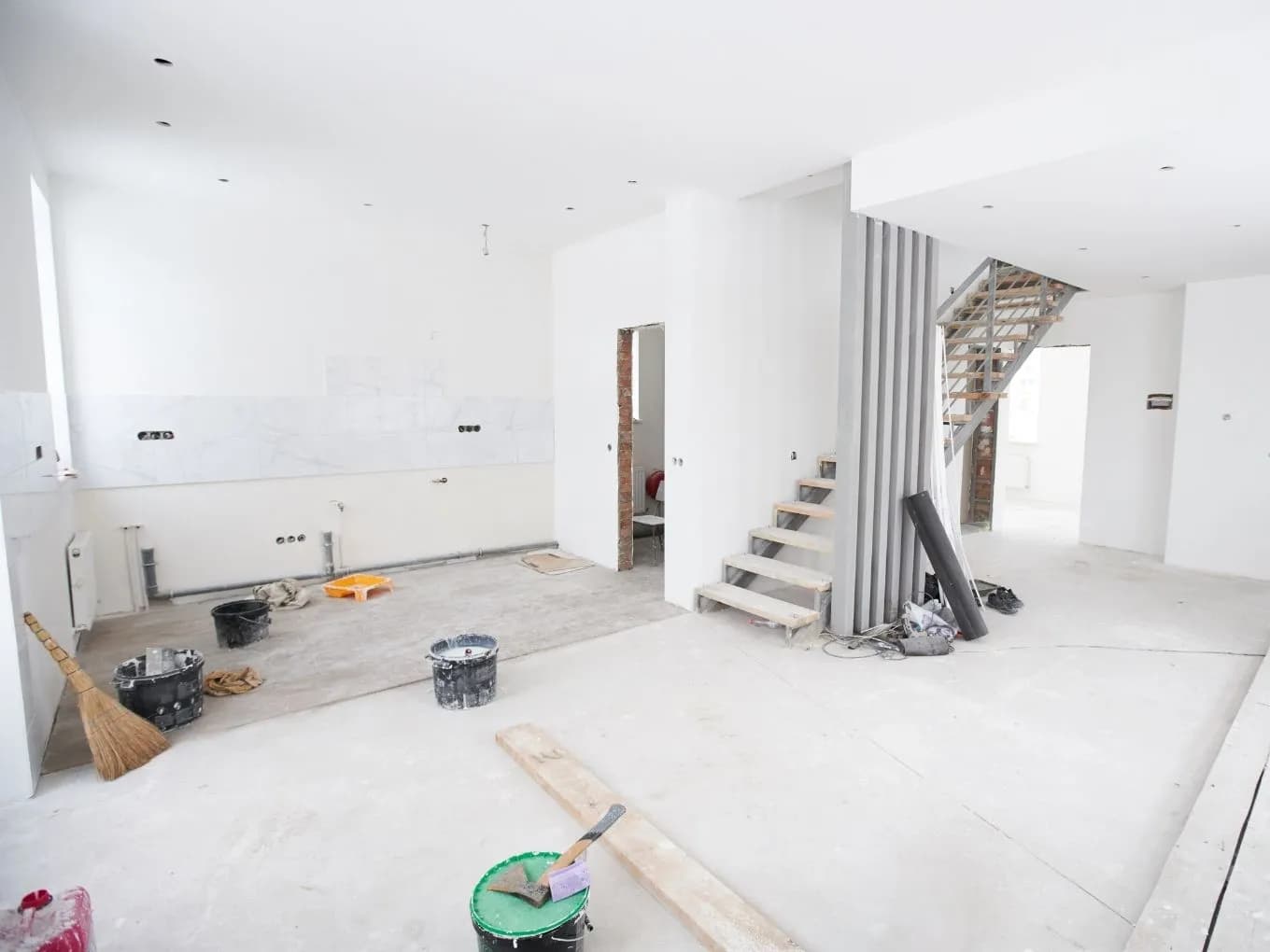
California remains one of the most demanding fix and flip markets in the country, and that is exactly what makes it rewarding for investors who can execute well. Los Angeles alone is not one market but dozens of distinct submarkets, each with its own price trajectory, buyer profile, and profit potential, which means the right neighborhood can matter as much as the right renovation.
High prices limit the supply of distressed properties in some areas, but the state's deep buyer pool keeps well-executed flips moving quickly once the work is done.
What Is a Fix and Flip Loan?
A fix and flip loan is short-term financing built to cover both the purchase and the rehab of a distressed or undervalued property. Rather than underwriting based on personal income, the loan is structured around the deal itself, the purchase price, the renovation budget, and the after-repair value. That structure lets you move as fast as the deal requires, then exit through a sale or a refinance once the work is done.
Why Fix and Flip Loans Work in California
California rewards investors who can move on a deal the moment it appears. In Los Angeles, submarkets like the Valley, including Sherman Oaks, Encino, and Studio City, offer land at a workable basis where older homes can be renovated extensively or replaced with new construction that commands premium pricing. Culver City and the surrounding tech corridor have seen structural demand growth that keeps exits liquid, which matters when your holding costs are accruing daily.
Beyond Los Angeles, Irvine's economy is anchored by technology, education, healthcare, and corporate headquarters, drawing buyers despite higher home prices, while Sacramento and the Inland Empire offer lower entry points for investors prioritizing deal volume over per-unit margin. Across all of these markets, the fundamentals are consistent: high demand, tight timelines, and holding costs that punish any delay in closing or funding a draw.
That range of conditions, from premium coastal submarkets to more affordable inland markets, means California rewards investors who can adjust their strategy by neighborhood and move the moment financing allows.
Dominion Financial: 100% Financing With No Appraisal
Dominion Financial's fix and flip loan program is built to remove the delays that cost investors deals, which matters most in a state where holding costs run high. We fund up to 100% of the purchase price and up to 100% of the rehab budget, with loan size capped at 70% of the after-repair value, whichever number is lower. There is no appraisal required, which means no waiting on a third-party scheduling delay to hold up your closing.
Here is what that looks like in practice for a California flip:
Closings in as little as 48 hours
Streamlined draw process
No appraisal required at any stage
Option to close with no upfront origination points
For a full breakdown of how margins have tightened industry-wide and why loan structure matters as much as the headline rate, our Fix and Flip Loan Rates in 2026 breakdown covers the current numbers in detail.
Built by Investors, for Investors
Dominion Financial was founded by real estate investors, so our underwriting reflects how flips actually get done rather than how they look on paper. We know a delayed draw can stall a renovation crew, and in a market where holding costs accrue daily, a slow closing can turn a profitable deal into a break-even one.
Whether you are bidding on a distressed property in Los Angeles, renovating a value-add duplex in Sacramento, or scaling multiple projects across the Inland Empire, Dominion Financial's fix and flip loan program is structured to keep your capital moving as fast as your next deal requires.
Get your fix and flip quote today!
Frequently Asked Questions
What is a fix and flip loan and how does it work in California?
How much can I finance with a fix and flip loan in California?
Why do fix and flip loans work well for California real estate?
How fast can I close on a fix and flip loan?
Do I need an appraisal to qualify for a fix and flip loan?
Related Posts
View all Fix Flip Loan →
How a Fix and Flip Loan in Michigan Can Help You Win More Deals
Michigan's affordable entry prices and city-by-city variety, from Detroit's redevelopment momentum to Grand Rapids' steady demand, continue to support solid margins for fix and flip investors, though property tax uncapping requires careful holding-cost underwriting. Dominion Financial's fix and flip loan program offers 100% financing on purchase and rehab, no appraisal requirement, and closings in as little as 48 hours, giving Michigan investors the speed and certainty to win more deals.
September 9, 2026

How a Fix and Flip Loan in Massachusetts Can Help You Win More Deals
Massachusetts delivers some of the strongest fix and flip margins in the country, led by Greater Boston's $184,000 average gross profit, though high entry costs require investors to finance efficiently. Dominion Financial's fix and flip loan program offers 100% financing on purchase and rehab, no appraisal requirement, and closings in as little as 48 hours, giving Massachusetts investors the speed and capital to win more deals.
September 4, 2026

How a Fix and Flip Loan in Maine Can Help You Win More Deals
Maine's flipping margins have tightened along with the rest of the country, but tight inventory keeps a floor under resale prices, especially in Greater Portland. Dominion Financial's fix and flip loan program offers 100% financing on purchase and rehab, no appraisal requirement, and closings in as little as 48 hours, giving Maine investors the speed and certainty to win more deals.
September 4, 2026