
Transforming History Into Profit: Utilizing National Historic Rehab Grants for Real Estate
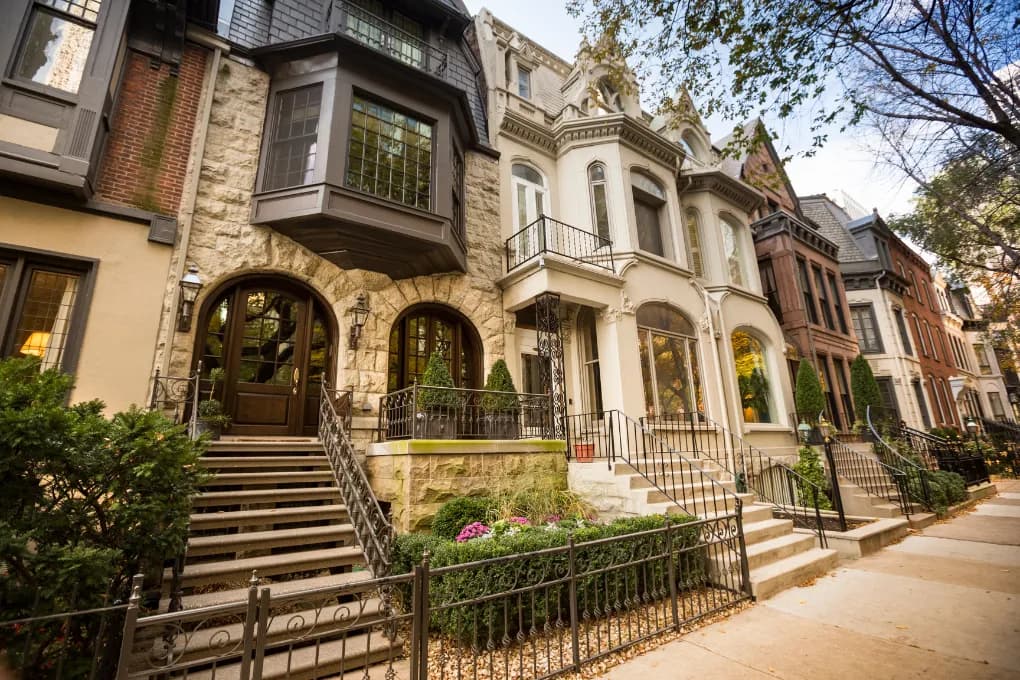
To many experienced real estate investors, old properties are a diamond in the rough, especially those with fix-and-flip expertise. Restoring historic properties present challenges, such as higher costs and the obligation to meet more stringent regulations. However, one creative solution for overcoming these obstacles is utilizing Historic Rehab Grants. These grants can help minimize the downsides of restoration while allowing investors to preserve culturally significant structures.
Purpose and Eligibility
The primary goal of these grants is to preserve or restore historically significant buildings. Properties must qualify for grant funding by being listed on the National Register of Historic Places (NRHP) or being eligible for inclusion. To list a property on the NRHP, it must meet specific criteria related to historical significance, integrity, and age. Applicants must also demonstrate how they will use the grants and comply with specific preservation guidelines.
Historic Preservation Fund (HPF) Grants
The HPF makes preservation grants available to support historic preservation projects across the U.S. Though exact amounts can vary, these grants typically require a matching contribution of 50% of total projected costs.
Certified Local Government (CLG) Grants
These grants are awarded through the HPF but through partnerships with various State Historic Preservation Offices (SHPOs). Much like HPF grants, CLG Grants are awarded with the intent to sustain and promote local historical preservation initiatives.
Federal Historic Preservation Tax Incentives
The Federal Historic Preservation Tax Incentives offers a 20% income tax credit for rehabilitating historic buildings engaged in some income-producing activity, such as paid tours or workshops.
Save America’s Treasures Grants
This program, funded by the National Park Service, provides grants to preserve nationally significant historic properties. Unlike some other grants on this list, applicants can receive substantial funding for both construction and conservation activities.
Funding Uses
National historic rehab grants can be used for a variety of activities, including:
- Building Rehabilitation: The core focus here is to restore and repair the physical structure, ensuring it meets all mandated safety and access standards.
- Architectural and Engineering Services: A portion of the awarded grants are intended to fund expert consultation to create accurate and compliant architectural plans.
- Accessibility Upgrades: Though implementing some of these changes can sometimes be tricky, the primary goal of this type of work is to make historic buildings accessible to all by installing necessary upgrades such as elevators, ramps, or other modifications that comply with the Americans with Disabilities Act (ADA).
Benefits for Real Estate Investors
National historic rehab grants can present quite a few advantages for savvy real estate investors. The funds provided typically cover a significant portion of rehabilitation costs, reducing out-of-pocket expenses and limiting financial risk.
Tax incentive programs like those offered by the FHP offer significant tax relief and can provide opportunities for significant economic gain.
Application Process
Securing historic rehab grants involves a fair amount of due diligence and preparation. The most important element of the application process is a well-drafted and thorough proposal. Hiring an architect, engineer, or other professionals with expertise in historical preservation is highly recommended.
Conclusion
Historic rehab grants present real estate investors with unique opportunities. That is, if the investors do their homework. You must understand both the application process, and the requirements and restrictions these kinds of projects entail.
By exploring available grant opportunities, preparing comprehensive proposals, and consulting with preservation professionals, investors can do their part to preserve our nation’s history — and see some profit in the bargain.
Related Posts
View all Investor Tip →
Why Tenant Screening Discipline Matters More in an Uncertain Economy
When rental demand is strong, and refinancing is easy, filling a vacancy quickly can start to matter more than screening rigorously. That tradeoff looks very different when rent delinquency rises. National rent delinquency reached 11.09% in May 2026, and late payments on independently owned rentals climbed from 8.8% in mid-2024 to 11.7% by June 2025. A single eviction now costs landlords an average of $6,767 in legal fees, lost rent, and turnover expenses. This piece covers why screening standards tend to loosen during high-demand years, what the current delinquency and eviction data show, and what landlords should be tracking now.
September 24, 2026

Using Public Data and AI to See Your Local Market More Clearly
Mainstream housing reports are aggregated and lagging by design, which limits how useful they are for understanding a specific neighborhood or block. Public records like permit filings, tax assessor rolls, water utility data, code violations, and business entity registries contain a much more granular picture, but they're scattered across different agencies and formats. AI is now being used to stitch these datasets together and surface patterns that would take a person weeks to find manually, from unregistered rental properties to hidden common ownership across multiple LLCs. This piece covers what data is available, how AI is being applied to it, and how investors can start building a clearer local picture.
September 24, 2026

Opportunity Zones Explained: What Changed and What It Means for Investors
The One Big Beautiful Bill Act made Qualified Opportunity Zones a permanent part of the tax code, replacing a program that was set to expire. New zone designations take effect January 1, 2027, under tighter eligibility criteria, and will be redesignated every 10 years going forward. Investments made after December 31, 2026, are subject to a new rolling 5-year deferral period instead of the old fixed 2026 recognition date, and continue to qualify for the standard 10% basis step-up at the five-year mark, while investments made before that deadline follow the original rules. Rural Opportunity Zones now carry a 30% basis step-up after a 5-year hold, versus 10% for standard zones, along with a reduced substantial improvement threshold, making rural deals notably more attractive than before. For investors, the practical impact is less urgency around a hard deadline and a new set of timing, location, and reporting considerations to weigh against other capital gains strategies.
August 27, 2026